Nordic Panda Wall Sculpture: Styling, Placement, Care
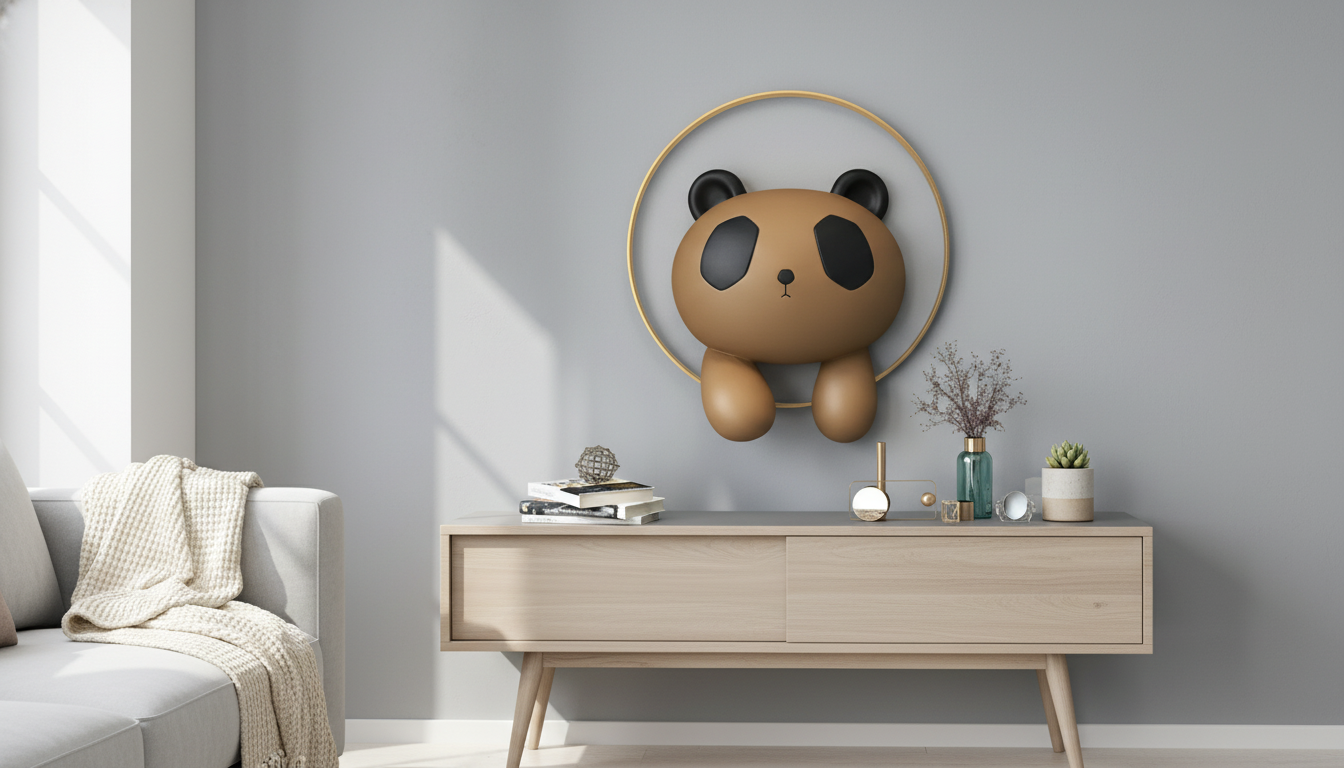
Nordic Panda Wall Sculpture: A Playful Accent for Modern Rooms
A panda rendered in a clean Nordic-inspired style brings warmth and personality without overwhelming a space. In wall-sculpture form, it adds real depth and contour—more presence than a flat print—so it can hold its own in minimalist interiors, cozy reading corners, and family rooms that need one memorable focal point. The result is decor that feels contemporary, calm, and slightly whimsical all at once.
What Makes a Nordic-Style Panda Wall Sculpture Stand Out
Nordic-inspired decor tends to favor clarity: simple shapes, balanced proportions, and a palette that feels quiet rather than busy. A panda motif fits naturally into that approach because it’s recognizable and friendly, yet typically rendered in black, white, or soft neutrals that won’t compete with the rest of the room.
- Sculptural dimension: Raised edges and curved surfaces create light-and-shadow contrast that shifts from morning to evening, making the wall feel more layered.
- Clean, calming styling: Nordic design cues—restrained color, uncluttered lines—help the piece read as modern instead of cartoonish.
- A gentle playful note: The panda softens monochrome or industrial rooms, balancing hard materials like metal, concrete, or black-framed furniture.
- Flexible display: It can stand alone on a blank wall or act as the “hero” piece in a small gallery wall with a couple of simple frames.
Where It Fits Best at Home
Because it’s visually friendly but still graphic and clean, a Nordic panda wall sculpture can move from adult spaces to kid-friendly rooms without feeling out of place. The biggest difference is how much “visual noise” you allow nearby—this style looks best with breathing room.
- Living room: Place above a console, sideboard, or sofa to anchor an open wall and give the seating area a clear focal point.
- Bedroom: Position above a dresser or near a reading nook to make the room feel softer without adding clutter.
- Nursery or kids’ room: Adds character while staying visually calm—especially effective against muted paint or simple wallpaper.
- Home office: One whimsical element can reduce the “all-business” vibe while still keeping the workspace tidy and polished.
- Entryway: Creates an immediate, friendly impression without taking up any floor space (ideal for narrow halls).
Placement ideas and visual effect
| Location | Recommended height | Effect | Pair with |
|---|---|---|---|
| Above sofa/bench | Center at 57–60 in (145–152 cm) from floor | Strong focal point in a large zone | Neutral throw pillows, simple side tables |
| Above console/sideboard | 6–10 in (15–25 cm) above furniture top | Creates a finished, curated vignette | Small vase, stacked books, tray |
| Nursery feature wall | Out of reach of small children | Adds warmth while keeping the palette calm | Soft textiles, muted wall color |
| Office behind desk | Centered in camera frame if desired | Clean backdrop with personality | Minimal shelving, matte finishes |
How to Choose the Right One
When the goal is “simple but special,” the best choice usually comes down to scale, finish, and secure mounting. A wall sculpture is an object with depth—so it should fit both the room’s style and the room’s pathways.
- Size and scale: A reliable guideline is to choose a width around two-thirds the width of the furniture beneath it (console, crib, or sofa back). This keeps it proportional without feeling undersized.
- Color palette: Black/white or grayscale reads crisp and modern; warmer tones feel cozier in wood-heavy rooms or beige-forward interiors.
- Finish and texture: Matte surfaces reduce glare and feel soft; glossier finishes stand out under direct lighting but show reflections and fingerprints more easily.
- Depth/projection: Deeper pieces look more sculptural but need clearance near doors, walkways, and tight corridors so they don’t feel intrusive.
- Mounting method: Look for keyholes, brackets, or adhesive-friendly backing based on your wall type (drywall, plaster, brick). For best practices when hanging heavier decor, see This Old House’s guide to hanging heavy objects.
- Weight considerations: Heavier pieces should be anchored into studs or supported with properly rated wall anchors or toggle bolts.
- Safety: In homes with kids or pets, prioritize secure mounting and avoid placements where bumping is likely (like narrow hallways at shoulder height).
For an easy height baseline, museum-style guidance often centers art at eye level; the National Gallery of Art’s hanging tips are a helpful reference point when deciding where the center should land.
Styling Ideas for a Nordic Look
Materials, Durability, and Day-to-Day Care
Quick care guide by common finish type
| Finish type | Best cleaning method | What to avoid |
|---|---|---|
| Matte painted | Dry microfiber; spot clean with damp cloth | Abrasive sponges, strong solvents |
| Gloss/semi-gloss | Microfiber; gentle wipe for fingerprints | Ammonia-heavy cleaners that dull shine |
| Wood-toned or veneer look | Dry dusting; minimal moisture | Soaking, steam cleaners |
| Textured/relief surface | Soft brush + microfiber for crevices | Compressed air too close (may push dust deeper) |
Gifting and Room Refresh Ideas
FAQ
How high should a wall sculpture be hung?
Centering the piece around eye level is a dependable starting point: aim for about 57–60 inches (145–152 cm) from the floor to the center. If you’re hanging it above furniture, leave roughly 6–10 inches (15–25 cm) between the furniture top and the bottom of the sculpture, then adjust for ceiling height and overall proportion.
Can a wall sculpture be mounted on drywall without studs?
Yes, for light to moderate pieces, as long as you use wall anchors rated for the sculpture’s weight and follow the mounting instructions closely. For heavier decor, a stud is ideal; otherwise, toggle anchors are typically a safer option than basic plastic anchors.
How can the sculpture look cohesive with minimalist decor?
Keep surrounding elements limited, repeat one or two colors from the sculpture elsewhere in the room, and choose simple frames, textiles, and accessories. Negative space matters—when the area around the panda stays uncluttered, the sculpture reads as intentional rather than busy.








Leave a comment
You must be logged in to post a comment.