Industrial Mobile High-Pressure Pump Set for Fleets
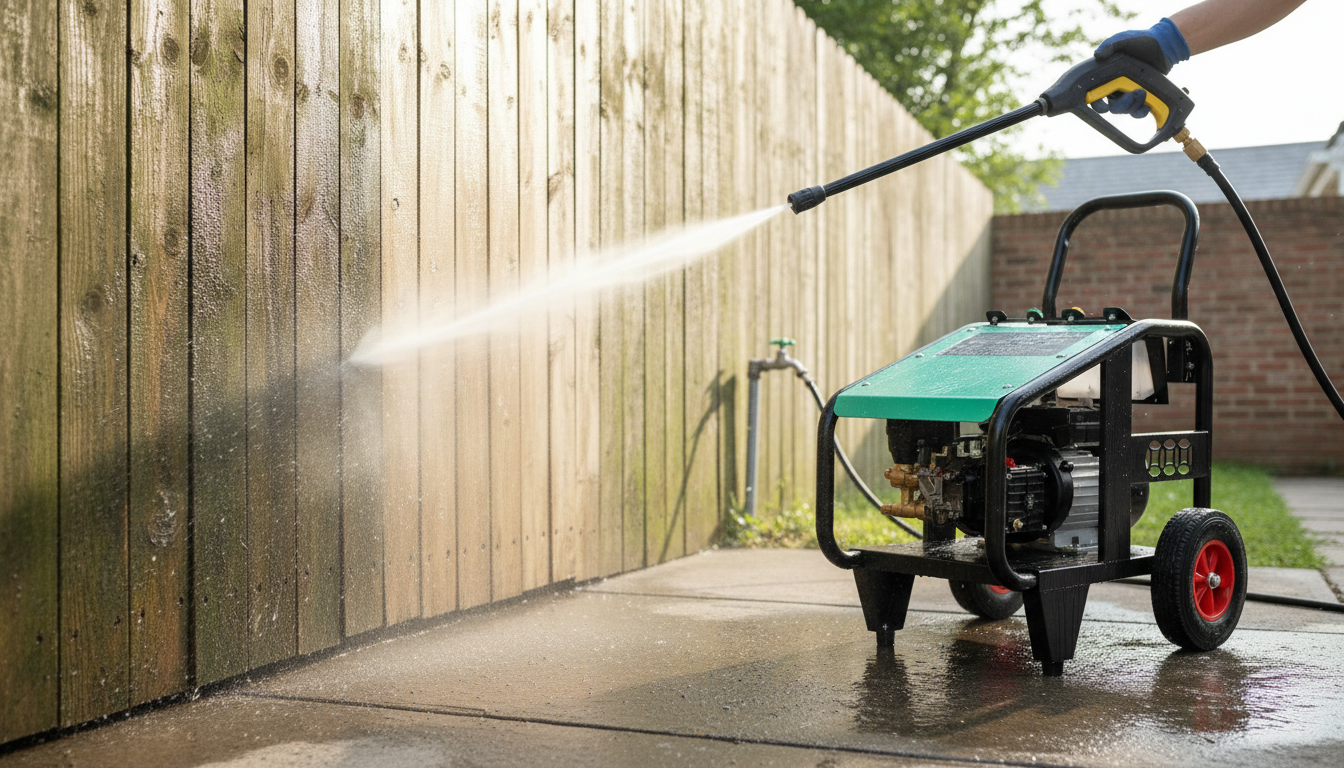
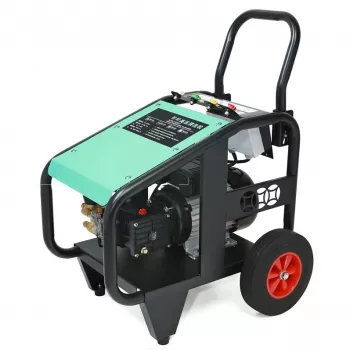
High-Pressure Car Wash Equipment: Industrial-Grade Mobile Pump Set
An industrial-grade mobile pump set brings consistent, high-pressure cleaning to fleets, workshops, farms, and facilities where fixed wash bays are impractical. Built for repeatable performance, these systems combine a positive-displacement pump with rugged accessories so crews can remove road film, mud, salt, and oily buildup quickly—without relying on permanent plumbing or a dedicated wash building.
What a Mobile High-Pressure Pump Set Does Best
Mobile high-pressure pump sets are purpose-built for fast, on-site cleaning where downtime matters. Instead of extended hand-scrubbing, concentrated pressure breaks the bond between soil and surface, while steady water delivery carries loosened grit away.
- Delivers concentrated water pressure to remove road film, mud, salt, oils, and stuck-on debris with less manual scrubbing
- Supports on-site cleaning for vehicles, heavy equipment, loading areas, and hard surfaces without permanent plumbing
- Improves turnaround time for fleet presentation and routine maintenance washes
- Pairs well with pre-soak detergents and foam applications to reduce pressure needed on delicate finishes
Core Components to Expect in an Industrial-Grade Set
Industrial-grade mobile units differ from light-duty washers in the details that protect uptime: stable pressure regulation, better filtration, serviceable pumps, and transport-ready frames.
- Pump and power source: electric motor or gasoline engine driving a positive-displacement pump for steady pressure
- Pressure regulation: unloader/relief valve to control operating pressure and protect components
- Inlet filtration: strainer/filter to prevent grit from damaging seals and check valves
- Hoses and fittings: high-pressure rated hose, quick-connects, and corrosion-resistant couplers
- Spray hardware: trigger gun, lance/wand, and interchangeable nozzles for different spray patterns
- Mobility elements: frame, wheels/handles, vibration isolation, and tie-down points for transport
When comparing systems, prioritize component quality and service access. A unit that makes filter cleaning and nozzle changes easy tends to stay in rotation longer, with fewer “mystery” pressure problems during busy wash schedules.
Performance Factors That Change Cleaning Speed and Results
Cleaning performance is more than a single PSI number. Pressure helps break adhesion, but flow rate often determines how quickly a surface can be rinsed clean and made ready for use.
- Pressure (PSI/bar): higher pressure helps break adhesion but must be matched to the surface to avoid damage
- Flow rate (GPM/LPM): higher flow rinses faster, flushes grit away, and improves overall productivity
- Cleaning power balance: for many wash tasks, flow rate often impacts job time as much as pressure
- Duty cycle and cooling: industrial use benefits from robust pump design, proper ventilation, and thermal protection
- Water quality sensitivity: hard water and sediment increase scaling and wear without filtration and maintenance
Quick guide to matching pressure and flow to common wash tasks
| Use case | Suggested pressure range | Suggested flow focus | Notes |
|---|---|---|---|
| Passenger cars and vans | 1200–2500 PSI | 2.0–3.5 GPM | Use wider fan nozzles; keep distance to protect paint and trim |
| Trucks, fleet vehicles, trailers | 2000–3500 PSI | 3.0–5.0 GPM | Higher flow speeds rinsing; pre-soak reduces required pressure |
| Off-road mud, farm equipment | 3000–4000 PSI | 4.0–8.0 GPM | Consider turbo nozzle cautiously; protect bearings and seals on machinery |
| Concrete pads, shop floors | 2500–4000 PSI | 4.0–8.0 GPM | Surface cleaner attachments improve uniformity and reduce streaking |
| Grease/oil film (with detergent) | 2000–3500 PSI | 3.5–6.0 GPM | Use compatible degreaser; allow dwell time before rinsing |
Water Supply, Power, and Site Requirements
Most performance complaints trace back to supply or setup rather than the pump itself. A mobile system still needs the right water feed, power plan, and work area controls.
- Water inlet: confirm minimum inlet flow and pressure to prevent pump cavitation; use a supply hose sized to maintain flow
- Tank-fed operation: if drawing from a tank, ensure proper inlet head, a clean strainer, and adequate volume for the work period
- Electrical needs (if electric): verify voltage, amperage, and extension cord gauge; inadequate wiring causes motor stress and poor performance
- Fuel/engine considerations (if gas): plan for ventilation, exhaust direction, and safe refueling practices
- Noise and location planning: position equipment to minimize noise exposure and keep bystanders away from the spray zone
Also plan for chemical labeling and safe handling when detergents are used. OSHA’s Hazard Communication Standard outlines expectations for communicating chemical hazards in the workplace (OSHA 29 CFR 1910.1200).
Setup Steps for Reliable Daily Operation
A consistent start-up routine helps prevent premature seal wear and reduces the odds of pressure pulsation mid-job.
Safety and Surface Protection Practices
For environmental compliance planning, review guidance on wash water and discharge controls (EPA: Managing Wastewater from Vehicle Washing and Cleaning).
Maintenance That Protects Pumps, Seals, and Valves
How to Choose the Right Mobile Pump Set
FAQ
What matters more for faster washing: pressure or flow rate?
Pressure helps break the bond between grime and the surface, but flow rate is what rinses loosened soil away quickly. For many fleet and equipment jobs, higher GPM reduces total wash time as much as (or more than) higher PSI, as long as the surface can tolerate the pressure being used.
Can a mobile high-pressure pump set pull water from a tank?
Many setups can draw from a tank, but the inlet must meet the pump’s minimum flow needs and stay airtight to avoid cavitation. Use proper inlet filtration, adequate hose diameter, and enough head/priming so the pump receives a steady, bubble-free supply.
How can paint and trim be protected while using high pressure?
Use wider fan nozzles, increase standoff distance, and keep the spray moving—especially near edges, seams, and decals. Pre-soak or foam loosens soil so lower pressure can be used to achieve the same cleaning result.














Leave a comment
You must be logged in to post a comment.