Sashed Wool Long Jacket: Fit, Warmth, and Styling Tips
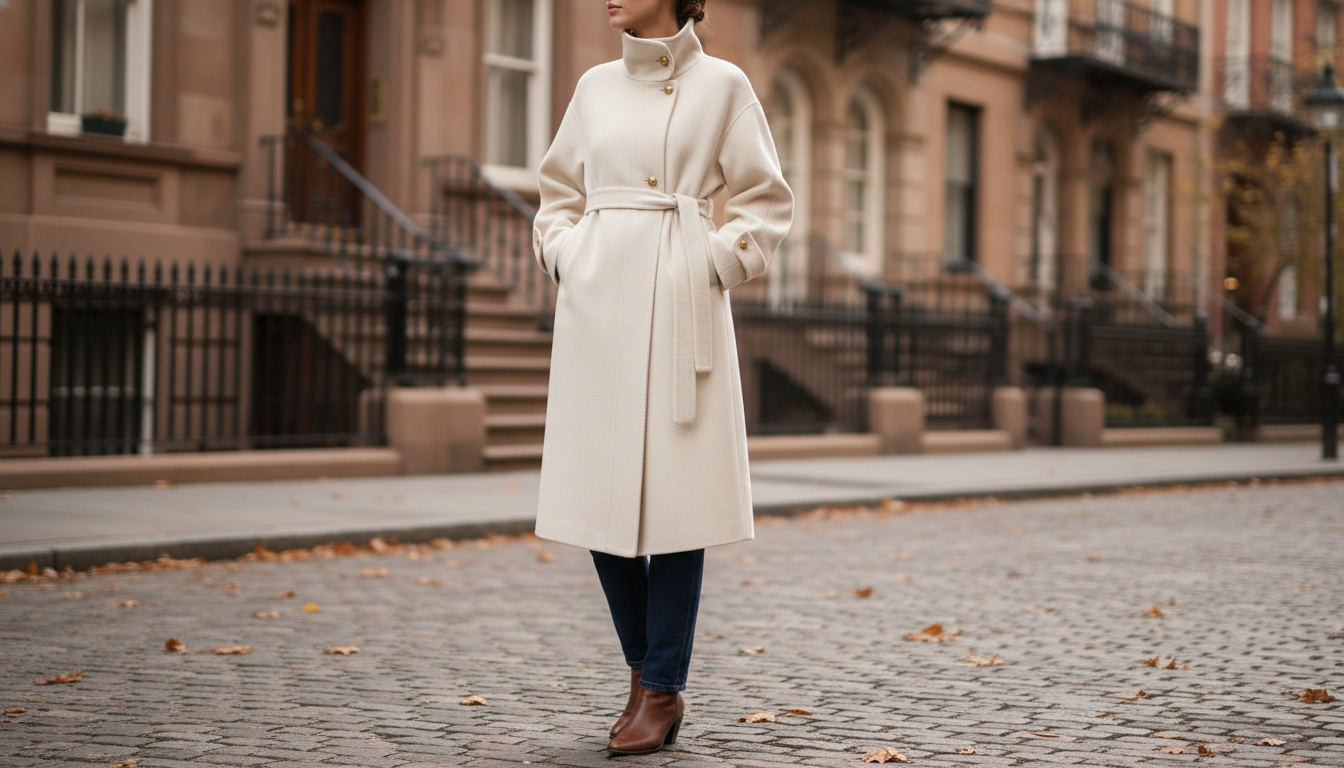
Women’s Woolen Long Jacket with Sashes: Warmth, Shape, and Everyday Polish
A long woolen jacket with sashes balances insulation with a flattering, adjustable silhouette. The sash detail adds definition at the waist, helps layering sit neatly over knits, and lets the same outerwear work for commuting, dinners, and weekend errands. Below are the key details that separate a great sashed long jacket from an average one, plus fit notes, outfit ideas, and wool care habits that keep the fabric looking smooth and structured.
What Makes a Sashed Woolen Long Jacket Different
The defining feature is the sash closure: it creates a customizable fit that can be worn cinched for shape or loosely draped for a relaxed, effortless look. Because the closure is adjustable, it’s easier to accommodate changing layers—thin tees in fall, thicker sweaters in winter—without losing your waistline.
Longline length is the second advantage. Extending past the hips (and often to the knee or mid-calf) adds coverage and warmth around the thighs, while visually elongating the outfit. Woolen fabrics also insulate well by trapping air within the fibers; that insulating effect improves with smart layering underneath. Finally, a sash can reduce the need for bulky front hardware, keeping the front clean and scarf-friendly when temperatures drop.
How to Choose the Right One
Choosing the right sashed woolen long jacket comes down to fabric performance, how it drapes, and a few small design details that affect daily wear.
Fabric blend and surface
- Higher wool content typically delivers better warmth and breathability.
- Blends with nylon or polyester can improve durability, help the jacket keep its shape, and reduce pilling in high-friction areas like underarms and sides.
- Tighter weaves usually block wind better and look smoother over time.
Weight, drape, and lining
- Denser fabric reads more tailored, holds structure, and feels warmer when standing outdoors.
- Softer drape looks relaxed and can feel easier indoors, especially in offices or restaurants.
- Full lining helps it glide over sweaters and reduces friction; partial lining can feel lighter and more breathable.
Sash and collar details
- Wide, stable sashes are easier to tie neatly and sit flatter under scarves.
- Belt loops keep the sash from shifting up and down as you walk.
- Notched lapels feel classic, stand collars help block wind, and shawl collars soften the look for dressier styling.
Practical design checks
- Pockets: Deep pockets add real utility; higher pockets can look cleaner and feel more flattering.
- Length: Knee-length is versatile; mid-calf maximizes warmth but benefits from slimmer bottoms for balance.
- Color: Neutrals (black, camel, gray, navy) mix easily; jewel tones can look striking with simple monochrome outfits.
Quick fit and style guide
| Preference | What to look for | Why it works |
|---|---|---|
| Defined waist | Wide sash + belt loops; structured shoulder | Creates shape without tailoring and stays in place |
| Layering over chunky knits | Roomy armholes; smooth lining | Reduces pulling and makes movement comfortable |
| Wind resistance | Higher collar; tighter weave; longer length | Protects neck and reduces heat loss |
| Low-maintenance wear | Blend fabric; darker color; tightly woven surface | Shows less lint and tends to pill less |
| Dressy look | Clean front; minimal hardware; tailored lapels | Reads polished with boots or heels |
Fit Notes: Getting the Sash to Sit Right
The sash is the styling “lever” that changes the whole look, so small adjustments matter.
- Natural waist vs. high waist: Tie at the narrowest part of the torso for an hourglass effect, or slightly higher to visually lengthen the legs—especially helpful with mid-calf lengths.
- Knot vs. bow: A flat knot looks sleek under scarves and minimizes bulk; a side bow feels more feminine and adds a focal point without crowding the center front.
- Back shaping: Jackets with back seams or a center vent typically hang straighter and move better while walking, reducing fabric pull at the hem.
- Sleeve length: Sleeves should meet the wrist bone; a touch longer helps keep warmth when gloves come off for phones or keys.
Outfit Ideas for Work, Weekends, and Evenings
Workday polish
Cinch the sash over a fine knit and tailored trousers for a clean, vertical line. Finish with loafers for an understated look, or ankle boots when you want more weather protection without adding visual weight.
Casual weekend ease
Wear it open over a hoodie and straight-leg jeans for relaxed contrast: structured outerwear on top, casual basics underneath. Add a beanie and sneakers for errands, coffee runs, and stadium weekends.
Evening simplicity
Cold-weather layering without bulk
Proportion tip for mid-calf lengths
Comfort and Practical Details to Check
Care: Keeping Wool Looking Smooth
Wool stays beautiful with a little routine. Always follow the care label first; many structured or fully lined woolen outerwear pieces recommend dry cleaning. For general guidance on best practices, resources like Woolmark’s wool care recommendations can be helpful, and care labels themselves are standardized under rules such as the FTC’s Care Labeling requirements.
FAQ
How should a long woolen jacket fit when layered over sweaters?
It should feel comfortable in the shoulders with enough room across the chest and upper back to wear a medium-weight knit without pulling. Check that you can reach forward and raise your arms easily, then use the sash to define the waist once the layers are on.
Is a sash closure warm enough for winter weather?
It can be, depending on fabric weight, weave tightness, and length, plus what you layer underneath. For windy days, a scarf at the neckline and a design with hidden snaps or a button can help keep warmth sealed in.
How do you tie the sash so it stays in place?
Use a firm double knot for the most security, or tie a flat knot that sits neatly under scarves. If the jacket has belt loops, thread the sash through them and tie at the narrowest point of your waist to reduce shifting while walking.













Leave a comment
You must be logged in to post a comment.