Gun Gray Brass Touch Pull-Out Faucet: What to Check

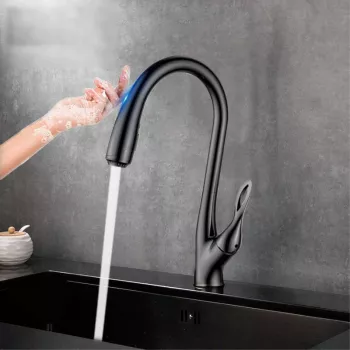
Luxury Gun Gray Brass Pull-Out Kitchen Faucet with Touch Control
A gun gray brass pull-out faucet with touch control brings a striking, contemporary finish to the kitchen while speeding up everyday tasks at the sink. The sweet spot is a faucet that looks bold but behaves quietly in the background: dependable touch activation, a pull-out head that glides and docks cleanly, durable brass construction, and components that can be serviced without turning a small issue into a full replacement.
What Makes This Style Stand Out
Gun gray has a way of sharpening a kitchen’s overall look without overpowering it. Compared with brighter metallics, it reads modern and intentional—especially alongside stainless appliances, stone counters, and darker cabinets.
- High-contrast design: Gun gray pairs naturally with black accents, mixed metals, and matte hardware for a tailored finish.
- Brass construction: Brass is prized for stability and durability in high-use fixtures, helping the faucet feel solid in day-to-day operation.
- Pull-out flexibility: A pull-out sprayer improves reach for rinsing corners, washing produce, and filling tall cookware without awkward angles.
- Touch convenience: Touch on/off is ideal when hands are messy from cooking—tap with a wrist or forearm and keep the workflow moving.
Touch Control: Daily Convenience and What to Confirm
Touch control sounds simple—tap to start, tap to stop—but the best experiences come from thoughtful details. Before committing, confirm how the faucet activates, how it behaves if the electronics are disabled, and how it’s powered.
- Activation points: Some faucets respond on the spout and body, others include the handle. More touch zones can be convenient, but only if they’re consistent.
- Manual fallback: A well-designed touch faucet still functions like a standard handle faucet when touch is turned off or power is interrupted.
- Power method: Battery packs are common; some models offer an optional AC adapter. Easy access under the sink matters more than it seems.
- Safety defaults: Look for anti-accidental activation features and automatic shutoff options when available.
- Cleanup and smudges: Specialty finishes vary—choose a design that wipes clean easily and doesn’t demand constant polishing.
Touch-control checklist before buying
| Item to verify | Why it matters | What to look for |
|---|---|---|
| Power source | Determines maintenance and reliability | Battery access that is easy to reach; optional AC adapter if preferred |
| Manual operation | Prevents downtime if touch is off | Handle works independently of touch control |
| Shutoff behavior | Reduces risk of an unattended flow | Auto shutoff timer or clear on/off indication |
| Sensitivity/activation area | Avoids accidental activation | Defined touch zones and consistent response |
| Electronics placement | Protects components from moisture | Sealed control box and protected connections under the sink |
Pull-Out Sprayer Performance That Matters
A pull-out head is only as good as its movement and docking. The most common frustrations—drooping spray heads, stiff hoses, and sloppy docking—are preventable when the right features are in place.
- Hose length and retraction: Look for smooth extension plus a reliable return mechanism so the hose doesn’t sag or snag on stored items below.
- Spray options: Confirm whether it offers multiple modes (typically aerated stream and spray) and whether switching feels easy with wet hands.
- Secure docking: The head should seat firmly and align correctly every time, without needing a “second push” to look straight.
- Swivel range: A wider swivel arc helps when moving between sink bowls or turning toward a nearby prep area.
Materials, Finish, and Longevity in a Gun Gray Look
Gun gray finishes can be dramatic, but durability and cleaning habits determine whether that finish stays sharp for years. A brass body supports a premium feel while helping the faucet stand up to frequent use.
- Brass body: Helps resist wear in busy kitchens and contributes to a stable, substantial handle feel over time.
- Finish resilience: Confirm the finish is designed for kitchen conditions and resists spotting, discoloration, and abrasion from routine wipe-downs.
- Cleaning approach: Use non-abrasive cloths and gentle soap; avoid harsh pads and aggressive chemicals that can dull or micro-scratch specialty finishes.
- Coordinated hardware: For a cohesive look, consider matching cabinet pulls, soap dispensers, and drain accessories to the same tone family.
For broader guidance on efficient fixtures and water use, EPA WaterSense is a helpful reference point when comparing kitchen faucet specs and flow-rate claims.
Installation and Compatibility Checks
Even a premium faucet can feel “wrong” if it doesn’t fit the sink layout or the under-sink space. A few measurements and confirmations upfront can prevent surprises on install day.
For standards and safety considerations that often intersect with plumbing products, resources like IAPMO and NSF can provide useful context on certification and performance expectations.
How to Choose the Right Touch Pull-Out Faucet for the Kitchen
Care and Troubleshooting Basics
FAQ
Does a touch-control kitchen faucet still work if the touch feature is turned off?
Most touch-control faucets still operate normally with the handle when touch is disabled or unavailable. Confirm the model supports manual fallback and check how the manufacturer enables/disables touch mode.
What maintenance does a pull-out sprayer need over time?
Typical maintenance includes occasional descaling of the aerator or spray face, checking that the hose moves and retracts smoothly, and ensuring the head docks securely. It’s also smart to inspect under-sink connections periodically for moisture or slow leaks.
How should a gun gray brass faucet be cleaned to protect the finish?
Use mild soap and water with a soft cloth, then dry to reduce water marks. Avoid abrasive pads, bleach, and harsh chemicals that can scratch or dull specialty finishes.















Leave a comment
You must be logged in to post a comment.