Fila White Sneakers: Contrasting Sole Style, Fit & Care
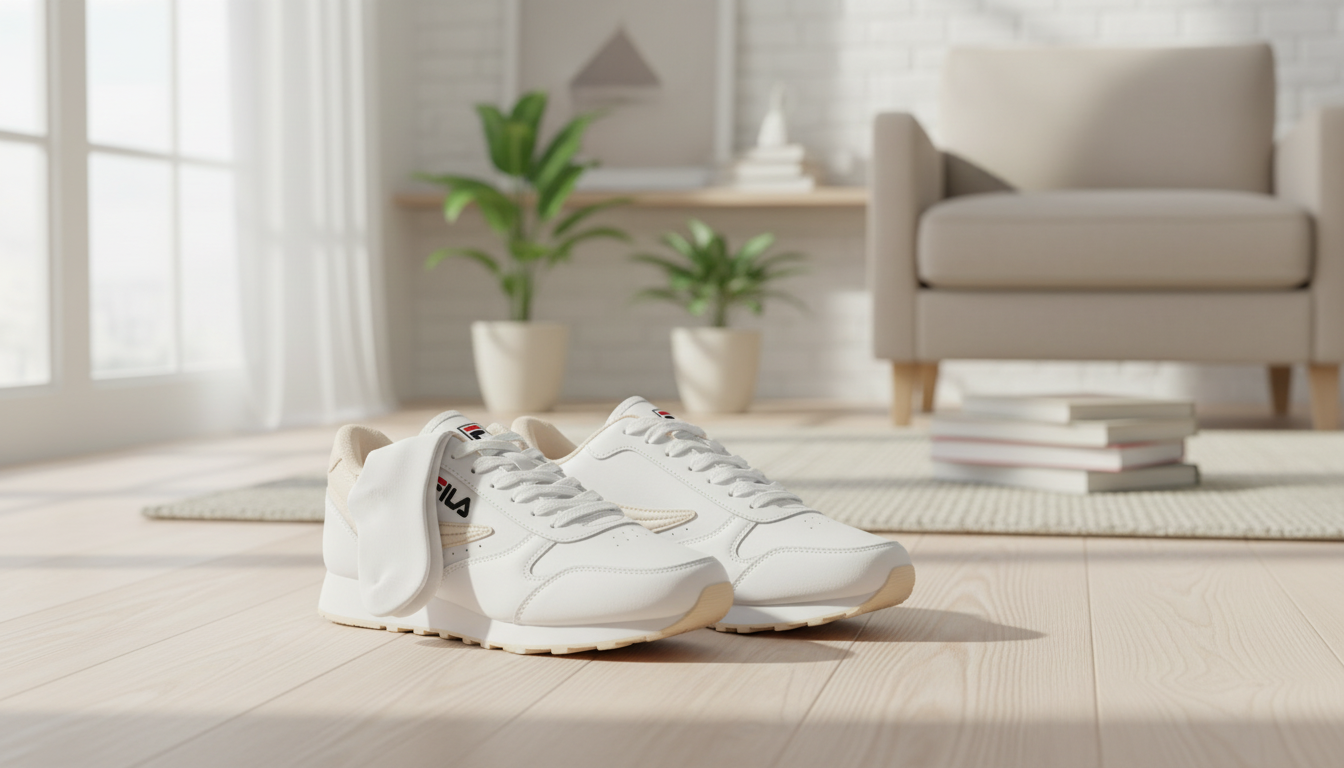
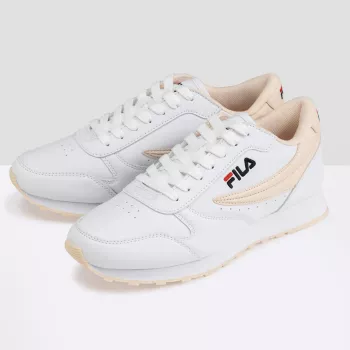
Fila White Sports Sneakers with Contrasting Sole
Clean white uppers paired with a bold contrasting sole create a sporty look that works for everyday wear, light training, and weekend outfits. The contrast line adds definition (so the shoe doesn’t feel overly “all-white”), while still staying easy to wear with most closets. Below are the practical details to focus on for comfort and fit, styling ideas that make the contrast feel intentional, and care habits that keep white sneakers looking bright.
What Makes a Contrasting-Sole Sneaker Stand Out
A contrasting sole creates a clear visual break between the upper and the midsole, which makes a sneaker read more structured and athletic. That separation also helps white uppers look less stark without sacrificing versatility—white still does the heavy lifting for matchability, while the sole adds definition and depth.
From a day-to-day standpoint, contrast can be forgiving. A darker sole area often disguises sidewalk dust and minor scuffs better than a fully white midsole. The effect is especially noticeable with tapered jeans, joggers, and cropped hems where the entire side profile is visible.
Key Details at a Glance
These sneakers sit in a mid-range budget category and are best suited to casual wear, commuting, light activity, and travel days where you want one pair that works across multiple outfits. The main care focus is keeping the white upper bright while maintaining a crisp edge along the sole line.
| Item | Details |
|---|---|
| Name | Fila White Sports Sneakers with Contrasting Sole |
| Price | 98.78 USD |
| Color story | White upper with contrasting sole |
| Brand | Fila |
| Best for | Casual wear, commuting, light activity, travel days |
Comfort and Support: What to Pay Attention To
Comfort comes down to how the shoe feels across a full day of walking and standing, not just the first try-on. A slightly firmer platform often feels stable for errands and commuting, while a softer, springier cushion can feel plush but may compress faster over time—especially if you’re wearing the pair frequently.
Pay close attention to heel security and midfoot lockdown. A good heel counter should feel snug without rubbing, and laces should hold the midfoot so the foot doesn’t slide forward. Toe box space matters too: aim for about a thumb’s width from your longest toe to the front of the shoe, particularly if you’re on your feet for long stretches.
Flex is another quick tell. The shoe should bend near the ball of the foot; if it’s overly stiff in the forefoot, it can contribute to fatigue. Finally, consider traction. Tread depth and rubber feel will influence grip on wet sidewalks and smooth indoor floors. For general footwear guidance and fit considerations, the American Podiatric Medical Association (APMA) is a helpful reference point.
How to Choose the Right Size and Fit
Measure your feet at the end of the day when they’re slightly larger, and use the larger foot as your reference. Socks can change fit more than many shoppers expect: thin no-shows typically create extra room, while cushioned athletic socks can make the same size feel tighter across the forefoot and midfoot.
If you have wider feet, prioritize a roomier toe box and avoid silhouettes that aggressively taper at the front. You can also experiment with looser tension on the lower laces to reduce pressure over the forefoot, while still securing the ankle area to maintain stability. If you have narrow heels, focus on heel hold: using the top eyelets (when available) can reduce slippage and prevent the “lifting” feeling with every step.
Break-in should be realistic. Many white sport sneakers feel best after 1–3 wears once the upper and insole settle. Avoid sizing down to “force” a break-in—tight pressure points usually stay pressure points.
| Fit area | Should feel like | Red flag |
|---|---|---|
| Heel | Secure with minimal lift | Blisters or sliding |
| Midfoot | Snug when laced | Numbness or pinching |
| Toe box | Wiggle room | Toes touching the front |
| Forefoot flex | Bends at the ball of foot | Bends in the mid-arch |
How to Choose (When Options Look Similar)
When several white sneakers feel “close enough,” narrow the decision using three quick filters:
- Use-case first: for commuting and day-long wear, prioritize stable cushioning and reliable heel hold; for occasional light activity, look for a flex point that matches your stride and a tread pattern that feels confident on mixed surfaces.
- Upper maintenance reality: smooth or coated uppers tend to wipe clean more easily, while textured materials can trap grime and need more frequent brushing.
- Contrast placement: a bold contrast band reads sportier; a thinner, cleaner contrast line can feel more refined and “smart-casual,” especially with darker denim.
If you want more brand context and model styling cues, Fila’s official site is a useful reference for how the brand positions its sport-meets-lifestyle designs.
Styling Ideas for White Sneakers with a Contrasting Sole
Care and Cleaning for White Uppers and Sole Edges
When This Style Works Best (and When It Doesn’t)
FAQ
How can white sneakers be kept from yellowing over time?
Store them out of direct sunlight, clean off salts and grime quickly, and avoid heat drying. Breathable storage and regular wipe-downs help slow yellowing, and a compatible protective spray can reduce staining.
Are contrasting soles easier to keep looking clean than all-white soles?
Often yes for everyday wear because scuffs and sidewalk dust tend to be less visible on darker contrast areas. The edge line still benefits from frequent brushing to keep the transition looking sharp.
What socks look best with white sneakers with a contrasting sole?
No-show socks create a minimal look, while crew socks highlight the sporty profile. Matching sock color to the sole contrast makes the overall outfit feel more intentional.













Leave a comment
You must be logged in to post a comment.