1:14 Alloy 24-Channel RC Excavator: Precision Digging
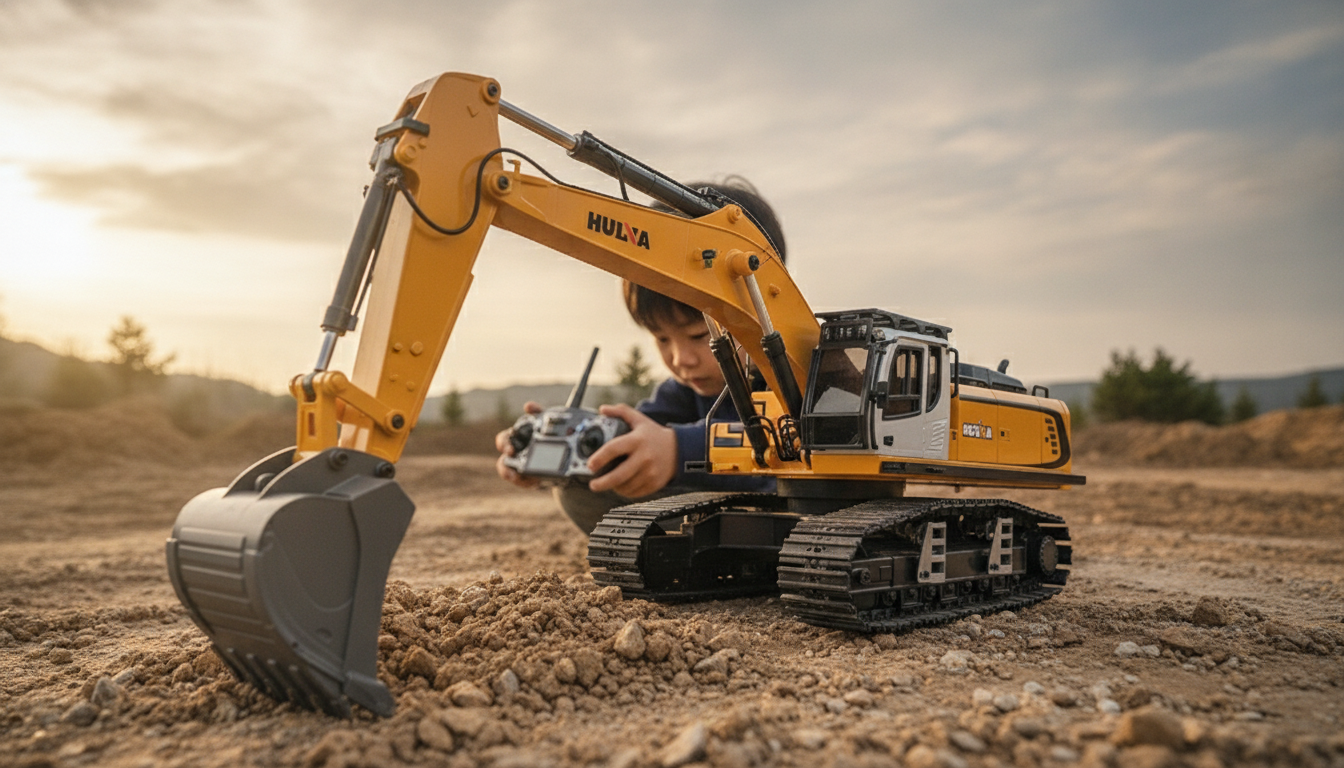
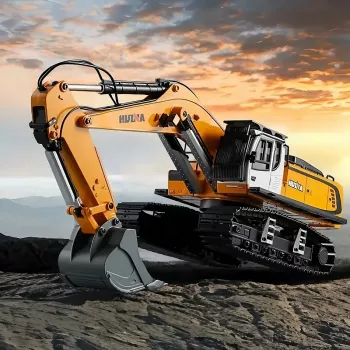
1:14 Scale High-Precision 24-Channel Alloy RC Excavator
A 1:14 alloy RC excavator with 24-channel control is built for realistic digging, smooth multi-function operation, and durable handling. The appeal isn’t just “more buttons”—it’s the ability to run the machine like a real excavator: controlled boom work, coordinated swing and travel, and repeatable bucket placement without fighting the controls. Below is what that feature set typically delivers in real use, what to verify before buying, and how to keep a high-precision model performing reliably outdoors.
What a 1:14 High-Precision 24-Channel Excavator Delivers
Channel count matters most when it translates into independent functions and better proportional control. On simpler excavators, certain actions may conflict (you can do one motion or another, but not both smoothly), and speed steps can feel abrupt. A higher-channel, high-precision setup is designed to reduce those compromises.
- More controllable movements: separate functions for boom, arm, bucket, swing, travel, and auxiliary actions without “either/or” tradeoffs.
- Smoother, more realistic operation: finer input steps help with grading, trenching, and careful placement of material.
- Better coordination: operate multiple actions at once (for example, lift + curl + swing) for more natural work cycles.
- Improved operator feel: higher channel count commonly pairs with better transmitter mapping and responsiveness, so small stick changes produce predictable movement.
In practice, this means less “jerk and correct” driving, cleaner trench lines, and fewer bucket dumps caused by over-shooting the controls.
Alloy Construction: Where It Matters Most
Alloy parts aren’t automatically “better everywhere,” but they matter most where loads concentrate: the structure, the digging linkage, and the drivetrain. A model excavator that’s meant to work in real dirt benefits from rigidity and consistent geometry—especially after many cycles of digging and swinging.
- Chassis and upper structure: metal components add rigidity and reduce flex during digging and lifting.
- Boom/arm/bucket linkages: stronger pivot points can improve repeatability and reduce slop over time.
- Gears and drivetrain: metal gearsets often handle load spikes better than plastic, especially when tracks bind.
- Weight trade-off: added mass can improve traction and stability, but it can also increase strain on motors and gearboxes if the machine is overloaded or constantly stalled.
| Component area | Alloy advantage | What to watch for |
|---|---|---|
| Boom/arm/bucket | Less flex, sharper control, higher durability | Lubricate pivots; check for loosened screws after heavy use |
| Chassis/frame | Better alignment and stability | Heavier overall; ensure travel motors/drivetrain match the weight |
| Gears/drivetrain | Improved load handling | Noise and wear still possible without proper greasing |
| Body panels/details | More realistic feel and resilience | Cosmetic scuffs; consider transport protection |
Performance Expectations in Real Use
A 1:14 excavator is large enough to feel “work-like” and small enough to run in a yard, garden bed, or a controlled dirt pile. With 24-channel control and a rigid alloy build, these are realistic expectations when the drivetrain and battery system are properly matched.
- Digging and trenching: precise boom/arm control helps maintain consistent trench depth and smoother walls, especially when shaving thin layers instead of taking deep bites.
- Swing stability: a rigid upper structure helps reduce oscillation during quick rotation and stops, keeping bucket placement more accurate.
- Travel and turning: tracked models perform best on compact soil, short grass, and hard-packed surfaces; loose gravel can reduce traction and increase track binding.
- Cycle efficiency: coordinated multi-function control can shorten each scoop–swing–dump cycle and improve realism without rushing the machine.
For best results in real dirt, work like a full-size operator: take smaller bites, keep the bucket close to the machine when swinging, and avoid forcing the tracks through debris that jams the sprockets and rollers.
How to Choose the Right RC Excavator for Your Needs
Without seeing a model in person, it helps to choose based on use-case priorities: space, control style, structural materials, power system, and the ability to maintain it over time.
If you’re buying for a younger operator, also confirm that the radio system is compliant and that the product has a clear safety track record. For radio transmitters, the FCC’s equipment authorization database can be a helpful reference: FCC Equipment Authorization.
Setup, Operation, and Maintenance Basics
For broader guidance on battery and electrical safety practices, UL’s safety context is a solid starting point: UL Standards and Safety Guidance.
Safety and Responsible Use
For general product-safety checks (including recalls), the U.S. Consumer Product Safety Commission maintains a searchable database: CPSC Recalls.
FAQ
What does 24-channel control change compared with simpler RC excavators?
It typically enables more independent functions and smoother proportional control, so multiple actions can be coordinated at once without conflicts. The result is finer grading, more controlled trenching, and more realistic scoop–swing–dump cycles.
Is an alloy RC excavator better for digging in real dirt?
Alloy construction usually improves rigidity and durability in load-bearing areas, and the added weight can increase traction and stability. The key is making sure the drivetrain is strong enough for that weight and keeping pivots and gears maintained so the extra load doesn’t turn into extra wear.
How can wear be reduced on tracks and gears during outdoor use?
Clean out debris after each session, keep track tension correct, and grease gears and metal pivots lightly. Avoid repeated stalls and don’t force the tracks through surfaces that bind (like loose gravel wedged into rollers), since binding causes the biggest load spikes.














Leave a comment
You must be logged in to post a comment.