Fila Lace-Up Boots Guide: Fit, Comfort & Care Tips
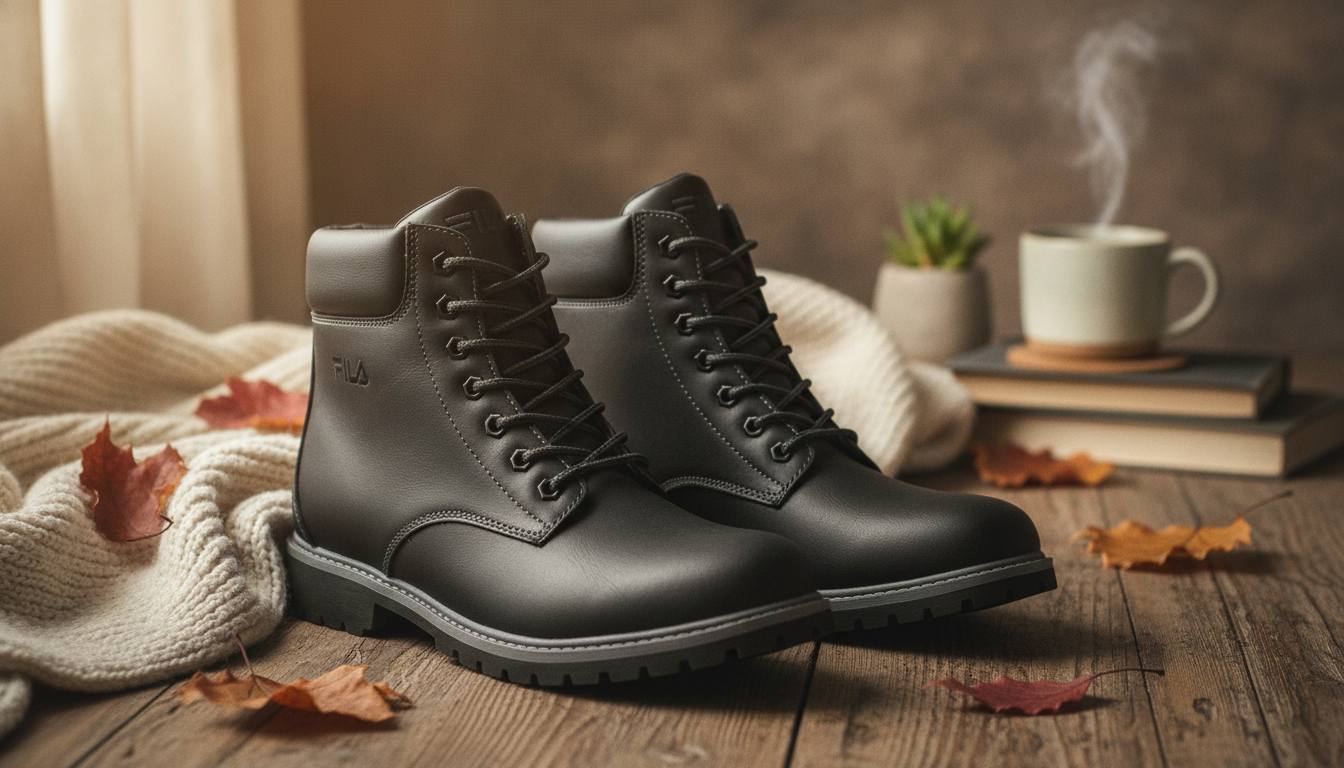
Fila Lace-Up Boots: Fit, Materials, Comfort, and Everyday Wear
Fila lace-up boots combine the brand’s sporty roots with the confidence of a lace-up build that can be dialed in to your foot. A good pair should feel secure through the midfoot, steady underfoot on day-to-day surfaces, and comfortable enough for long stretches of standing or walking. Below is a practical breakdown of what to check in the design and materials, how to choose a pair for your routine, and how to keep boots looking good and gripping well over time.
What stands out in a lace-up boot design
Lace-up boots earn their reputation through adjustability. Instead of relying on a single zipper or slip-on fit, the laces let you fine-tune pressure across the midfoot, which helps reduce heel lift and can improve stability on uneven sidewalks, steps, and packed trails.
- Lace-up adjustability: Better midfoot hold often means fewer blisters because the foot slides less inside the boot.
- Collar height and padding: Higher collars add ankle coverage for messy weather, while padded collars help reduce rubbing during the break-in phase.
- Heel counter structure: A firm heel counter (the back section around the heel) improves lockdown and can make the boot feel more supportive when you change directions or walk downhill.
- Outsole rubber + pattern: Tread depth matters, but the rubber compound and lug shape can matter just as much for everyday traction on smooth pavement.
Materials and build quality to check
Two boots can look similar and wear very differently depending on their upper materials, stitching, and internal structure. Before committing, check the spots that tend to fail first: seams, toe flex points, and the bond between the upper and sole.
- Upper materials: Coated synthetics are typically easier to wipe clean after errands. Leather can mold to the foot over time, but it usually needs periodic conditioning to avoid drying out.
- Stitching and bonding: Look for even stitching, clean seams, and no gapping where the upper meets the midsole or outsole—especially along the inner forefoot where flexing is constant.
- Lining and insulation: Uninsulated linings tend to breathe better indoors and in mild weather. Insulated options can feel cozy outside but may run hot during long indoor stretches.
- Removable insoles: A removable insole makes it easier to use orthotics, fine-tune volume, or refresh cushioning later without replacing the entire boot.
How to choose the right pair for your day-to-day
Start with where you’ll actually wear the boots most. A commuting pair that feels great on pavement can feel clunky in loose gravel, while a luggy outsole built for messy ground can feel stiff and loud on hard floors. Use the guide below to match features to your routine.
Quick selection guide
| Primary use | Best focus | Helpful features | Trade-offs to expect |
|---|---|---|---|
| Daily errands and commuting | All-day comfort | Cushioned insole, flexible forefoot, padded collar | Less aggressive tread for mud or loose terrain |
| Wet sidewalks and rainy days | Grip and water resistance | Rubber outsole with defined lugs, water-resistant upper treatment | May feel warmer and stiffer |
| Longer walks and travel | Support and reduced fatigue | Stable midsole, secure heel counter, roomy toe box | Heavier feel than a sneaker |
| Cold-weather casual wear | Warmth | Insulating lining, higher collar, thicker outsole | Bulkier fit; may require sizing for thick socks |
Fit and lacing for comfort (without hotspots)
For general foot-health guidance and fit considerations, the American Podiatric Medical Association offers educational resources that can help you recognize when footwear is helping—or aggravating—common issues.
Comfort, cushioning, and traction in real life
If you’re comparing styles, product details and materials notes on the Fila Official Website can help you spot differences in construction, lining type, and outsole intent.
Care and maintenance to extend lifespan
- Clean after use: Wipe off salt and dirt promptly to prevent staining and material drying.
- Dry correctly: Remove insoles and air-dry away from direct heat to avoid warping or cracking. Avoid dryers and radiators.
- Protect the upper: Use a compatible water-repellent spray for synthetics, or a leather conditioner plus protectant for leather (test on a small area first). For leather-care fundamentals, see Leather Working Group resources.
- Refresh odor control: Rotate pairs when possible and use shoe trees or crumpled paper to help maintain shape.
- Monitor outsole wear: Uneven wear can signal gait issues or the need for a different insole support level.
When to replace or resole (and when not to)
FAQ
Do lace-up boots run tight at first?
Many lace-up boots feel snug out of the box because the upper and padding haven’t softened yet. Snug is fine if your toes can wiggle and there’s no numbness; sharp pinching, tingling, or burning pressure usually means the fit is too tight. Break them in gradually and test with the sock thickness you’ll wear most.
How should lace-up boots fit at the heel and toe?
The heel should feel secure with minimal lift when walking, and the midfoot should feel held without being squeezed. At the toe, aim for about a thumb’s width of space in front of the longest toe while standing, and make sure toes don’t bump when going downhill or down stairs. If heel slip is minor, a heel-lock lacing method can help.
How do you clean and dry boots without damaging them?
Wipe off dirt and salt with a damp cloth, using mild soap if needed, then let them air-dry away from direct heat. Remove insoles to help moisture escape and to prevent odor buildup. Finish by using a protectant that matches the upper material (synthetic spray or leather conditioner/protectant).













Leave a comment
You must be logged in to post a comment.