Pink Suede New Balance Sneakers: Cozy Fall/Winter Fit
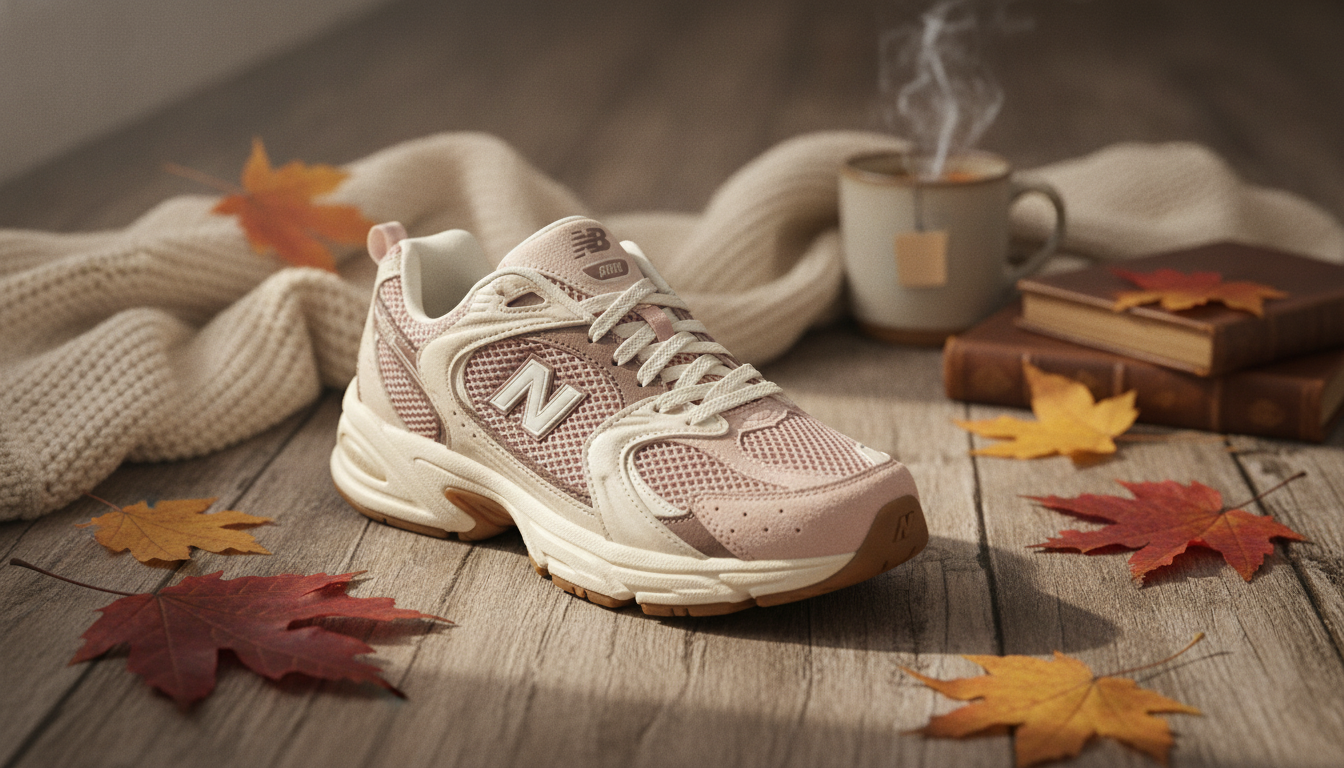
New Balance Women’s Pink Suede Sneakers for Fall and Winter Comfort
Pink suede sneakers can be a cold-weather staple when they balance warmth, traction, and all-day cushioning. The goal is simple: keep outfits looking intentional while staying comfortable through chilly commutes, weekend errands, and long days on your feet. Below is a practical guide to choosing women’s lace-up suede sneakers for fall and winter—covering fit, materials, outsole grip, and care—so you can handle temperature swings and damp sidewalks with confidence. For more guidance, see Running – New Balance.
What Makes Suede Sneakers Work for Fall and Winter
Suede naturally looks “seasonal.” Its soft, matte texture pairs easily with denim, knits, and tailored outerwear, and pink suede reads as a subtle accent against classic cold-weather neutrals. But for fall and winter comfort, appearance needs backup from the right build underfoot and a sole that won’t slip when the ground is wet. For further reading, see BILLY Footwear | Fashion and Function For All.
- Texture and versatility: Suede adds depth to outfits, working especially well with denim washes, wool coats, and chunky sweaters.
- Lace-up adjustability: Laces help fine-tune fit when switching between thin socks and thicker winter socks, and they can reduce heel slip on longer walks.
- Support for all-day wear: Stable midsoles, well-tuned cushioning, and a supportive heel counter matter more when you’re walking on uneven sidewalks.
- Traction is non-negotiable: Wet leaves and slick pavement are the main challenge. Prioritize grippy rubber outsoles, not smooth fashion soles.
- Weather readiness depends on treatment: Suede isn’t waterproof on its own. Protection comes from a quality spray plus an outsole design that keeps you steady.
Quick Cold-Weather Checklist for Suede Sneakers
| Feature | Why it matters | What to look for |
|---|---|---|
| Outsole traction | Helps prevent slips on wet leaves and slick pavement | Deep lugs or multi-directional tread; full rubber coverage |
| Cushioning | Reduces fatigue during errands and commuting | Responsive foam midsole; balanced softness and stability |
| Upper structure | Improves lockdown and warmth with socks | Reinforced heel counter; padded collar; secure lacing |
| Fit flexibility | Accounts for thicker socks in winter | Roomy toe box; adjustable laces; multiple width options when available |
| Weather protection | Suede stains and water spots easily | Suede protector spray; darker or treated suede; easy-to-clean midsole walls |
How to Choose Pink Suede Sneakers for Cold Weather (When You Can’t Try Them On All Day)
When shopping for fall/winter sneakers, the most useful approach is to “fit for the season” rather than for a quick indoor try-on. Cold-weather walking often means thicker socks, damp ground, and longer wear windows—so small fit issues (like heel lift) become big comfort problems.
- Start with traction: Choose a rubber outsole with visible tread. If the bottom looks flat and glossy, it’s more likely to slide on wet pavement.
- Choose stable cushioning: Ultra-soft foam can feel great for a few minutes but may feel less steady on uneven sidewalks. Aim for cushioning that compresses without wobbling.
- Check upper structure: A reinforced heel counter and a padded collar help lock the foot in place, especially when socks are thicker.
- Plan for care: If you want pink suede to look polished through winter, commit to protection spray and a quick brush routine (details below).
How to Choose the Right Size and Fit (Especially With Winter Socks)
Fit is the difference between “cute and wearable” and “cute but sitting in the closet.” With suede, the upper can soften over time, but the platform and overall shape should feel supportive from day one.
- Toe room: Leave about a thumb’s width in front of the longest toe. Feet often swell over the day, and thicker socks reduce available space.
- Heel security: The heel should feel snug with minimal lift. If the forefoot fits well but the heel slips, try a lace-lock technique before sizing down.
- Width considerations: If width options are available, wider sizes can improve comfort with winter socks. If not, prioritize adjustable lacing and a suede upper that isn’t overly stiff.
- Arch support needs: A stable platform helps for long standing and walking. If you use orthotics, look for a removable insole and enough depth so the toe box doesn’t get tight.
- Break-in expectations: Suede may relax, but you shouldn’t have to “suffer through” pressure points. Support and stability should be there immediately.
For general shoe fit and foot-health considerations, the American Academy of Orthopaedic Surgeons offers a helpful overview of what to look for in footwear: AAOS Shoe Tips.
Comfort Details That Matter for All-Day Wear
Styling Pink Suede Sneakers in Cold Weather
Suede Care and Weatherproofing for Rain, Salt, and Stains
Suede can look brand-new for a long time with a simple routine: protect, dry naturally, brush, and spot clean carefully. For step-by-step cleaning guidance, sources like The Spruce’s suede cleaning guide and brand-specific recommendations from New Balance support can be useful references.
Alternatives for Wetter Days and Rotating Your Footwear
FAQ
Can suede sneakers be worn in light rain or snow?
Suede isn’t naturally waterproof, so light moisture is only manageable with a quality suede protector and quick drying afterward. Avoid heavy rain, slush, and salted sidewalks when possible, and rotate to a more water-resistant pair on wet days.
How can lace-up sneakers feel comfortable all day in colder months?
Make room for thicker socks, focus on heel lockdown to prevent rubbing, and choose cushioning that balances softness with stability. If you need more support, a supportive insole can help as long as it doesn’t cramp the toe box.
How do you remove salt stains from suede sneakers in winter?
Let the shoes dry first, then wipe gently with a soft cloth lightly dampened with diluted vinegar (test in a small spot). After they dry away from heat, brush the suede to restore the nap and even out the texture.













Leave a comment
You must be logged in to post a comment.