Beige Prima Classe Shoulder Bag: Buying & Care Guide
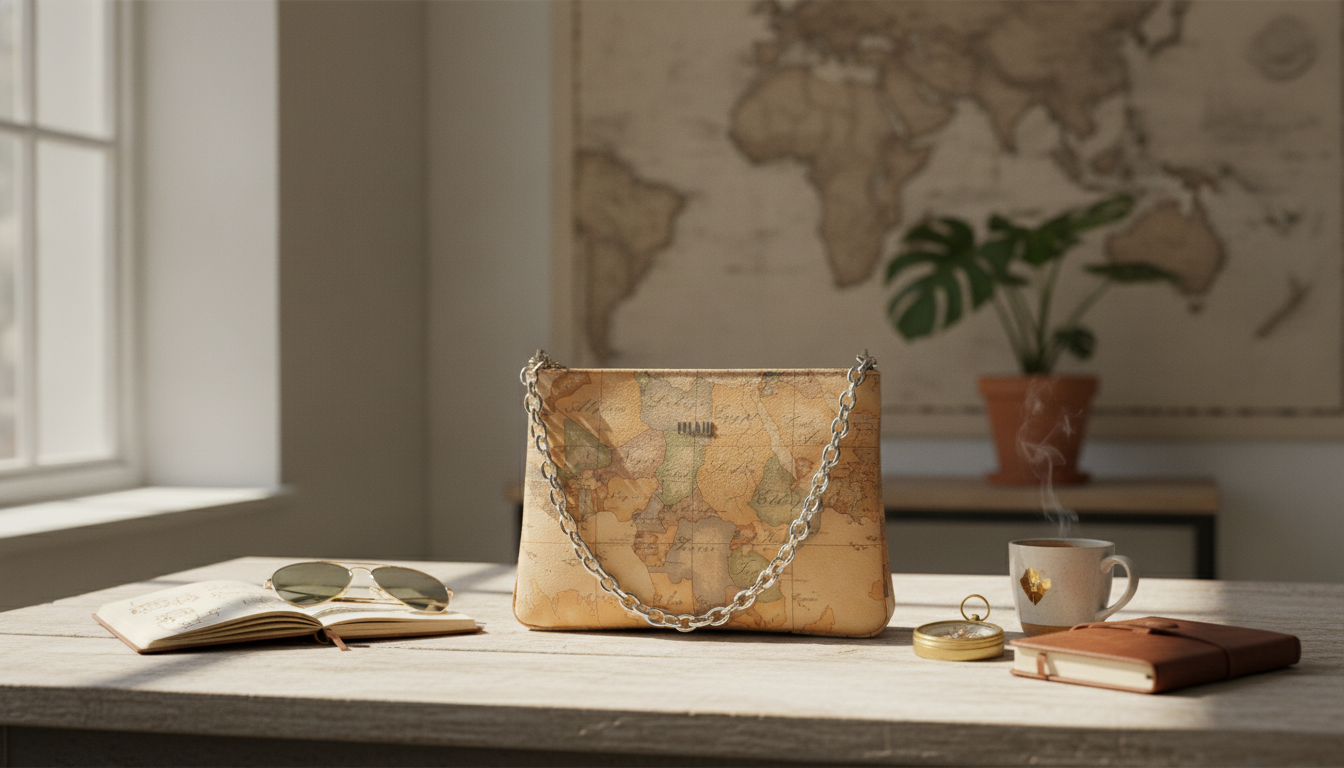
A beige shoulder bag with a distinctive map-inspired look can bridge everyday function and polished style. The Alviero Martini Prima Classe aesthetic is known for warm neutrals and travel-coded detailing that feels elevated without needing oversized logos. Below is a practical guide to evaluating materials and craftsmanship, choosing the right size and strap setup, and keeping a light-toned bag looking fresh over time.
What Makes the Prima Classe Look Distinct
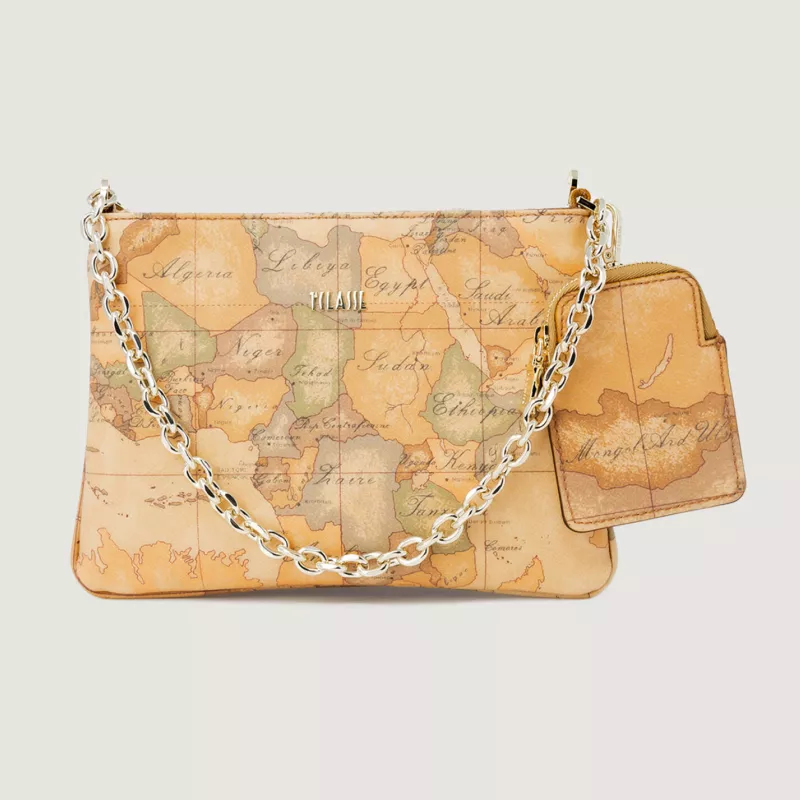
The Prima Classe identity is instantly recognizable thanks to its signature geo-map motif and a palette built around warm neutrals. Beige and tan tones tend to pair effortlessly with denim, crisp tailoring, and monochrome outfits, making the bag feel “intentional” even with simple styling.
A beige base also reads refined and season-flexible: it works naturally through spring and fall, complements summer linens, and can brighten winter outerwear without looking stark. Many Prima Classe shoulder bags lean structured, which helps them keep their silhouette on the arm and present well in professional or smart-casual settings. The statement comes from pattern and shape rather than loud hardware, so it feels polished in a wider range of settings.
At-a-Glance Details to Verify Before Buying
Before committing—especially online—confirm the specifics that affect both day-to-day ease and how the bag will age. Start with color and finish: beige can skew sandy, creamy, or caramel, and the surface may be matte or slightly glossy. Next, identify the material type (coated fabric, leather, or a combination) and check the trim and strap materials separately from the main body, since those areas take the most wear.
Hardware and interior layout matter just as much as the exterior. Look closely at zipper teeth and pulls, clasp styles, and whether metal elements appear scratched or tarnished. Inside, a lighter lining improves visibility, and a zip pocket can be the difference between “easy to live with” and “always digging around.” Finally, confirm strap configuration and drop length—especially if you’ll wear the bag over coats—plus exact dimensions so daily essentials fit comfortably.
Quick Checklist for a Beige Shoulder Bag
| Feature | What to check | Why it matters |
|---|---|---|
| Body material | Coated canvas/fabric vs leather; stitching density | Durability, ease of cleaning, long-term appearance |
| Strap drop | Measured drop on the shoulder with a jacket on | Comfort and fit; prevents slipping or digging |
| Closure | Zip alignment, smooth pull, secure magnetic snap if included | Everyday security and convenience |
| Interior pockets | At least one zip pocket; key leash if available | Organization and faster access |
| Base protection | Feet or reinforced base panel | Reduces corner wear and sagging |
Materials and Craft: How to Judge Quality
Quality shows up first at the edges. Check piping and edge paint (or sealed edging) for clean lines with no cracking, bubbling, or rough spots—those areas take constant friction at corners and along the opening. Stitching should be consistent in length and tension, with no loose threads; strap anchors should look reinforced rather than simply stitched once through a thin layer.
Inside, a good lining sits smooth and is firmly attached so it doesn’t bunch up when you reach for items. Pay attention to seams around interior pockets, which can pull or pucker if not finished well. Zippers should glide without snagging and sit flat and straight; misaligned zipper tape can make a structured bag feel awkward to open. If a strong chemical odor is present, it may indicate fresh coatings—airing out can help, but it’s still wise to confirm the return policy before removing tags.
For material labeling, it’s useful to understand how leather and imitation leather terms are commonly used in the U.S. The Federal Trade Commission’s guidance can help set expectations about what a label implies and how materials are described: FTC: Guides for Select Leather and Imitation Leather Products.
Size, Comfort, and What Fits Day to Night
Capacity needs change depending on how you use a shoulder bag. For everyday carry, plan for the basics: phone, card holder or wallet, keys, earbuds, lipstick, hand sanitizer, and sunglasses. If you routinely bring a sunglasses case and a small pouch, make sure the bag’s structure doesn’t pinch the opening so tightly that you have to force items in and out.
For workdays, check whether a small notebook, compact umbrella, and charger fit without distorting the silhouette. A structured bag looks best when it closes easily and doesn’t bow out at the top. For travel-ready use, prioritize a zip-top closure and secure interior pockets; a passport and documents should fit flat without folding corners, and you’ll want quick access to essentials without exposing everything when the bag is open.
How to Choose the Right Version for Your Wardrobe
For brand specifics and to compare current styling cues, consult the official brand site: Alviero Martini 1A Classe.
Care and Storage to Keep a Beige Bag Looking Fresh
Value Considerations and Authenticity Signals
FAQ
How can a beige shoulder bag be kept from showing stains?
Wipe it down regularly with a soft, slightly damp cloth, and avoid placing it on dusty or rough surfaces. Reduce dye transfer by keeping new bags away from dark denim rub, and store it in a dust bag with light stuffing to prevent creasing where grime can settle.
What strap drop is comfortable for a shoulder bag?
Comfort depends on your frame and what you wear over the bag, so test the drop while wearing a jacket or coat. It should sit securely without sliding, and the strap should feel supportive rather than digging into your shoulder when the bag is loaded.
What should be checked first when buying a structured shoulder bag online?
Start with exact dimensions, closure type, and interior pocket layout to ensure your essentials fit and the bag is secure. Then review clear photos of corners, edges, and hardware, and confirm the return policy in case the structure or finish doesn’t match expectations.















Leave a comment
You must be logged in to post a comment.