Armani Exchange Men’s Leather Wallet: Slim Daily Carry
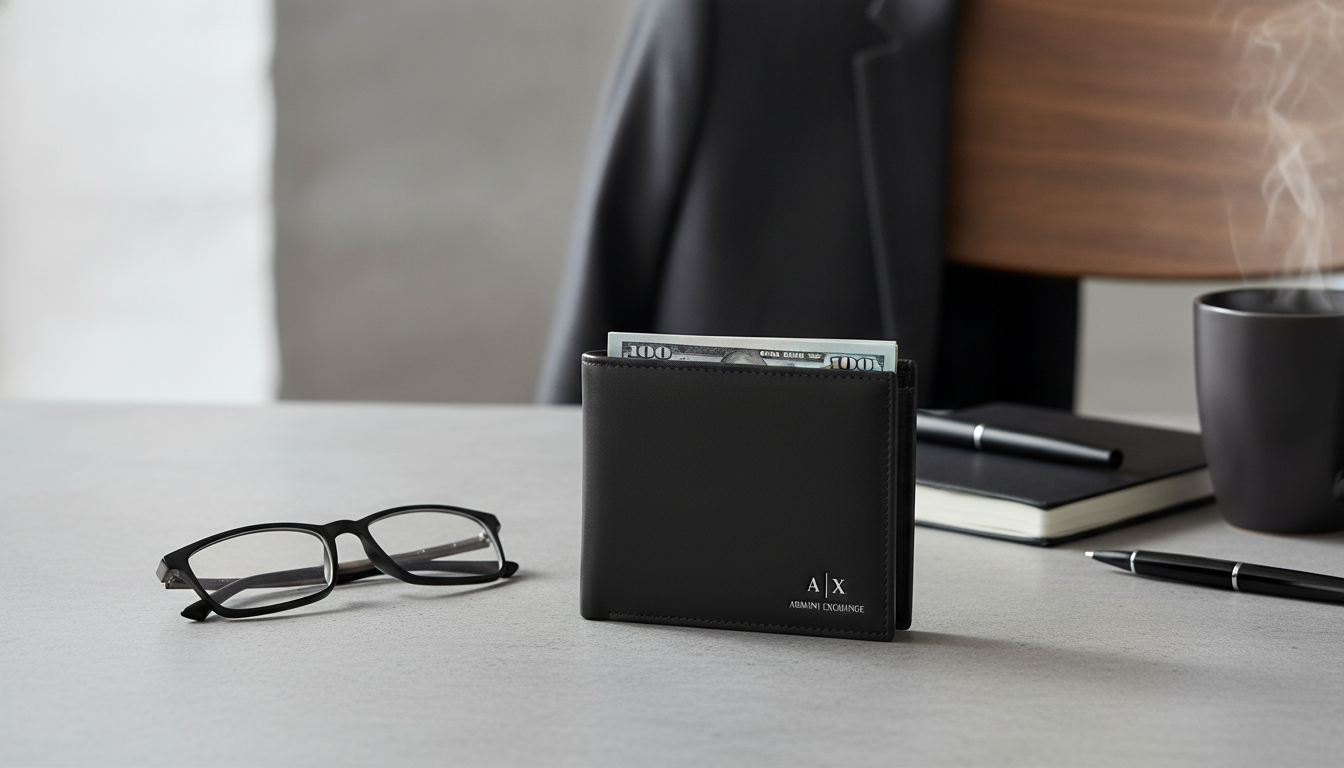
Armani Exchange Men’s Leather Wallet: a practical everyday carry upgrade
A leather wallet is a daily-carry essential that should feel comfortable in hand, slide easily into a pocket, and keep the basics organized without bulk. The Armani Exchange Men’s Leather Wallet is positioned as a clean, modern option for everyday use—suited to workdays, travel, and evenings out. Below is a practical breakdown of what to look for, how to judge build quality, and how to decide if this wallet fits the way cards, cash, and receipts are actually carried. For more guidance, see Armani Exchange Wallet & Cardholder Set ◼️ – Instagram.
Quick look: what this wallet is best for
- Everyday carry with a streamlined, understated style
- Keeping key cards and folded bills organized without overstuffing
- Gifting for occasions where a leather accessory feels personal and useful
- Pairing with smart-casual outfits where minimal branding and clean lines matter
At-a-glance details
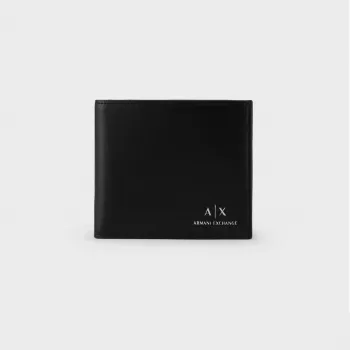
- Product name: Armani Exchange Men’s Leather Wallet
- Price point: $93.51 (USD)
- Best practice before checkout: confirm interior layout, dimensions, and closure style on the product page images and description
- Stock reference: 50 units listed from the source feed
| Detail | What to expect / verify |
|---|---|
| Material | Leather (confirm grain/finish and lining details on the listing) |
| Carry style | Pocket wallet for daily use |
| Storage layout | Verify card slots, bill section, and any coin pocket or ID window from product images |
| Color / hardware | Confirm exact color tone and logo placement from the listing photos |
| Price | $93.51 USD |
Leather and build: what to look for in hand
Leather wallets live a tough life: daily handling, constant pocket friction, and the occasional accidental bend or drop. A few quick “inspection points” help separate a wallet that stays sharp from one that starts to look tired early.
- Surface and grain: A consistent grain pattern and even color typically indicate careful finishing. Natural variation is normal in leather, but blotchy dye or patchy sheen can be a red flag.
- Edges and stitching: Look for tight, evenly spaced stitching and neatly finished edges. Clean edges resist peeling and help the wallet hold its structure over time.
- Lining feel: A smooth lining reduces friction when sliding cards in and out. Pay attention to seams near the card slots—rough seams can snag cards or fray.
- Fold and flexibility: The wallet should close naturally without being forced. If it fights to close when lightly loaded, it may feel bulky in a pocket and stress the fold line.
For general background on what leather is and how it’s made, see Encyclopaedia Britannica’s overview of leather.
Capacity without bulk: choosing the right layout
The easiest way to end up with a “brick wallet” is to buy for a hypothetical lifestyle instead of actual daily carry. A wallet like this tends to shine when it’s used for essentials, not as a mobile filing cabinet.
- Card routine: Count the cards used daily (payment, ID, transit, access). Choose a layout that fits that number comfortably, plus one or two “just in case” cards—without doubling up slots.
- Cash habits: If bills are carried often, a dedicated bill compartment helps keep notes flatter, faster to access, and less prone to crumpling in a hurry.
- Receipt control: Receipts add thickness quickly and can warp the fold. A weekly clean-out keeps the wallet slim and helps leather settle into a clean shape.
- Pocket fit: Front-pocket carry generally benefits from a slimmer profile. Back-pocket carry can tolerate a little more structure, but overstuffing is still the fastest path to stretched leather.
Care tips to keep leather looking sharp
Leather improves with time when it’s treated well, developing a subtle patina instead of cracking or going dull. A few habits go a long way.
- Avoid moisture and heat: Leather can dry out, warp, or stain if left in hot cars or exposed to water. If it gets damp, blot gently and let it air-dry away from direct heat.
- Clean gently: Wipe with a soft, dry cloth for everyday maintenance. For deeper cleaning, use a leather-appropriate cleaner and test on a discreet area first.
- Condition occasionally: A light conditioner helps prevent drying and cracking—especially in low-humidity climates. Use sparingly; over-conditioning can make leather feel greasy.
- Rotate and unload: Giving a wallet a “rest day” (and removing excess cards) helps it retain shape longer and reduces stress at the fold.
For practical cleaning and conditioning basics, reference Cobbler’s Choice Co.’s leather care guide.
Styling: pairing the wallet with everyday accessories
Accessory pairings available now
- Boss Men’s Black Leather Belt for a classic leather match with smart-casual looks.
- Police Gold Stainless Steel Quartz Watch to add a dressy metal accent when the rest of the outfit stays minimal.
- Police Lulworth Black & Brown Leather Watch for a leather-strap option that complements everyday neutrals.
When this wallet is a strong pick—and when to pass
FAQ
How many cards should a leather wallet carry comfortably?
Most leather wallets carry about 6–10 cards comfortably, depending on the layout and how tight the slots are. Overstuffing stretches leather and can leave slots permanently loose, so it’s best to test with your real daily card count plus a small buffer.
How should a leather wallet be cleaned and conditioned?
Wipe it regularly with a soft, dry cloth and avoid soaking it with water. For deeper cleaning, use a leather-specific cleaner and apply conditioner sparingly, letting the wallet dry naturally away from heat.
Is it normal for leather to change color over time?
Yes—many leathers develop patina, especially at friction points and areas touched frequently. Oils from hands and exposure to sunlight can darken or soften the finish, so storing it away from heat and rotating use helps slow dramatic changes.











Leave a comment
You must be logged in to post a comment.