Jil Sander Vertigo Handbag Guide: Leather, Fit, Care
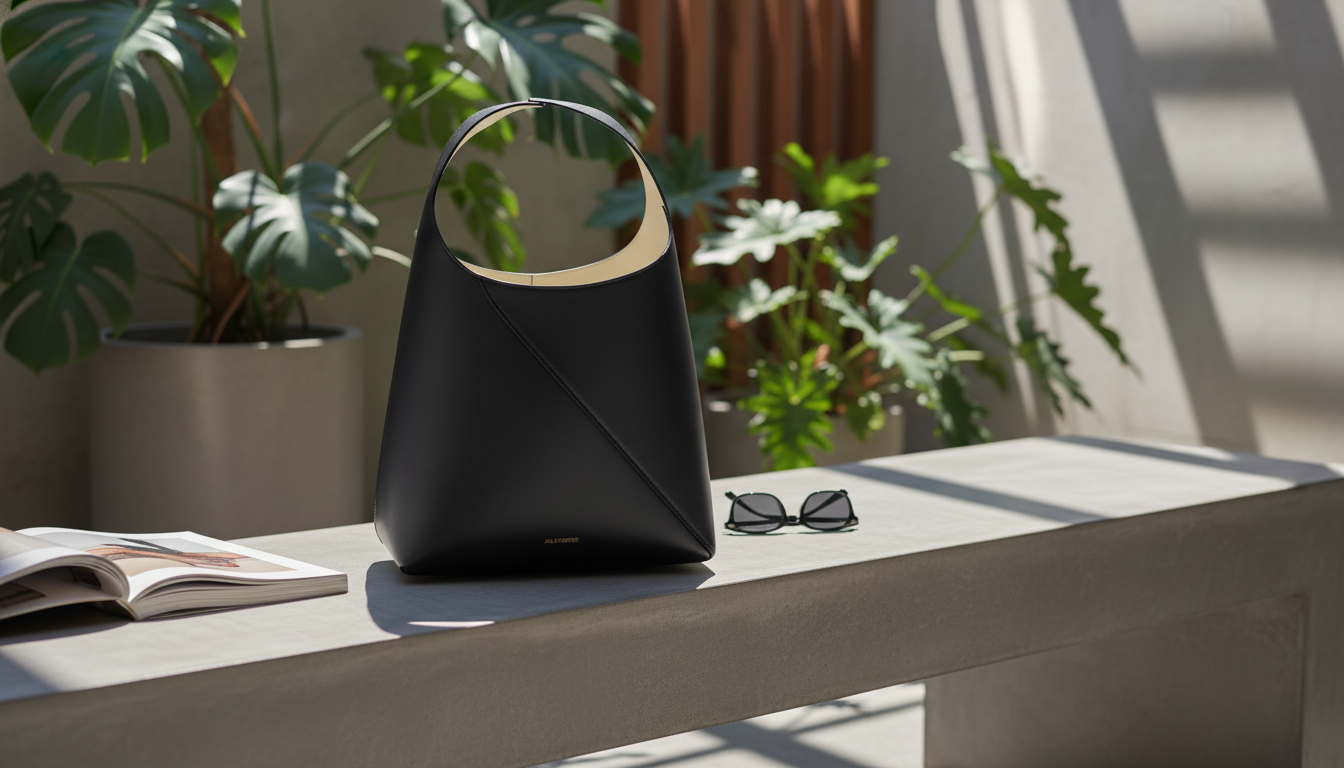
Jil Sander Vertigo Leather Handbag: A Minimalist Icon With Architectural Impact
The Jil Sander Vertigo Leather Handbag is a refined statement piece built around clean geometry, premium leather, and a minimalist finish. Its appeal comes from restraint: instead of loud logos or heavy hardware, the shape, edge work, and structure do the talking. When chosen carefully and cared for well, a bag in this style can look crisp for years while developing a subtle, elegant patina.
Below is a practical guide to evaluating materials and construction, understanding how a structured silhouette wears from day to night, and picking the right option for how (and how often) it will be carried.
Quick Overview
- Minimalist, sculptural handbag profile designed to feel polished without excess hardware
- Leather-focused build where stitching, edge paint, and structure do most of the visual work
- Best suited for elevated daily wear, events, and outfits that benefit from a sharp, architectural accessory
At-a-Glance Checklist
| What to check | Why it matters | What “good” looks like |
|---|---|---|
| Leather surface | Determines longevity and how it patinas | Even grain, consistent color, no dry patches or cloudy finish |
| Stitching | Controls durability at stress points | Tight, even stitches with clean backstitching at ends |
| Edges (edge paint) | Prevents fraying and peeling | Smooth edges with uniform thickness and no cracking |
| Structure | Affects how the bag holds shape | Stands or holds form without collapsing excessively |
| Closure and hardware | Impacts daily usability | Secure closure, smooth action, no rough plating or sharp seams |
| Strap/handle comfort | Influences carry time | No hard ridges; handle drop that fits shoulder/hand use |
Design and Silhouette
- Clean lines and a directional shape create a strong profile even with understated branding.
- A structured build tends to photograph well and pairs naturally with tailored outerwear and minimalist wardrobes.
- Look for consistent symmetry: side panels, handle placement, and top opening alignment are key to the intended sculptural effect.
With architectural bags, small proportional differences are noticeable. A top edge that doesn’t sit evenly, handles that aren’t aligned, or panels that appear slightly twisted can interrupt the “calm” effect the design is meant to deliver. When the silhouette is right, the bag reads intentional from every angle—sharp when held, clean when set down, and streamlined when worn close to the body.
Leather and Craft Details to Notice
- Leather feel: supple leather drapes; firmer leather maintains crisp edges—choose based on whether a rigid or softer look is preferred.
- Finish: smooth leathers show scratches more readily; grained leathers hide minor wear and are often more forgiving for daily use.
- Seams and reinforcement: check stress zones (handle base, corners, closure area) for reinforcement layers or neat stitching that prevents stretching.
- Lining: a clean interior (leather or textile) reduces snagging and makes the bag easier to maintain.
Pay special attention to edge paint on a minimalist bag: it’s one of the first areas to reveal wear, especially on corners and around the opening. High-quality edge finishing should look smooth and continuous, not thick or wavy. Stitching should be even in both spacing and tension—loose stitches can cause puckering, while overly tight stitches can stress the leather along seams.
For deeper brand and material reference, consult the Jil Sander official site. For general leather preservation best practices, the Leather Conservation Centre offers care guidance grounded in conservation principles.
Capacity and Everyday Use
- Consider the essentials: phone, small wallet, keys, sunglasses, and a compact pouch are typical baseline items.
- Structured silhouettes can feel smaller than their external dimensions because rigid sides limit overstuffing.
- If the opening is narrower, prioritize slimmer items and use a small pouch to keep contents from scratching the interior.
A bag with crisp architecture rewards a lighter load. When overfilled, the stress typically shows first at corners, along the top line, and near handle attachments. If the bag is intended for all-day wear, consider how often it will be opened one-handed and whether the closure design is convenient while standing, commuting, or stepping in and out of a car.
How to Style It
Care and Storage for Leather
For structured handbags, storage is as important as cleaning. Keep the base supported so the bag doesn’t bow over time, and avoid hanging it by the handle for long periods—this can stretch attachment points and subtly change the bag’s stance. If the bag gets a stain, set-in dye transfer, or hardware issues, a professional repair service is often the safest option; the Vibram Repair Network directory can help locate qualified repair providers.
How to Choose the Right Option
Decision Guide
| Preference | Best match | Trade-off |
|---|---|---|
| Polished, formal look | Smooth leather + structured panels | Shows scratches more easily |
| Daily durability | Grained/textured leather | Slightly less “glassy” finish |
| Lightweight carry | Smaller size or softer structure | Less capacity; may lose sharp shape faster |
| Carry-all essentials | Roomier interior + wider opening | Can look bulkier with minimalist outfits |
Authenticity and Quality Checks
FAQ
How should a leather handbag be stored to keep its shape?
Store it upright in a dust bag and lightly stuff the interior with acid-free tissue or a soft insert to support the panels. Keep it away from heat and direct sunlight, and avoid hanging it by the handle for extended periods.
Is smooth leather or grained leather better for everyday use?
Grained leather is usually better for everyday wear because it hides minor scratches and scuffs more effectively. Smooth leather looks sleeker and more formal, but it typically requires more careful handling to stay pristine.
What are quick signs of good craftsmanship on a structured handbag?
Look for even stitching, clean edge paint, symmetrical panel alignment, and reinforcement at stress points like corners and handle bases. Hardware should feel solid, sit flush, and operate smoothly without snagging or sharp edges.













Leave a comment
You must be logged in to post a comment.