Vans Womens Leather Shoes: Fit, Care, and Styling
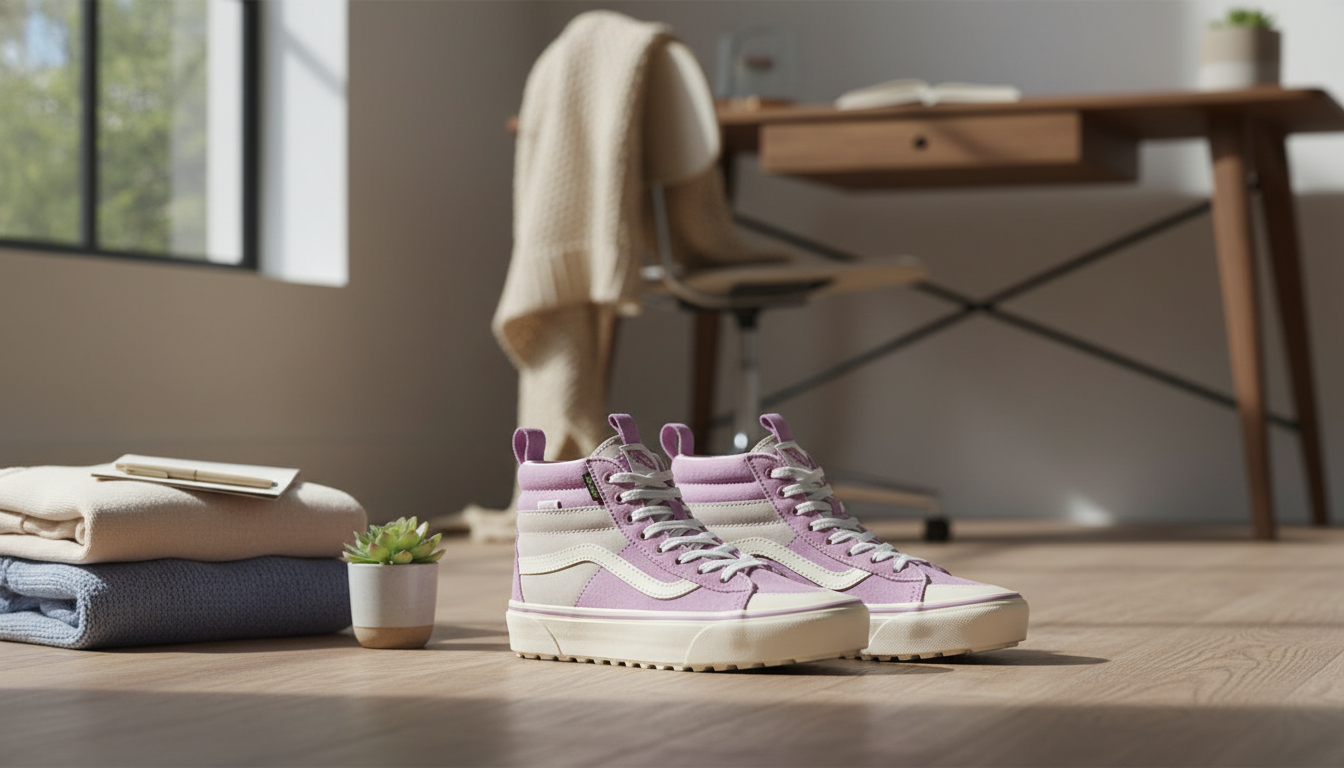
Vans Women’s Leather Shoes: Fit, Feel, Care, and Styling
Leather versions of Vans women’s shoes deliver the familiar low-profile skate silhouette with a more structured feel and added durability. Compared with canvas, leather breaks in differently, can resist scuffs better, and keeps a cleaner look for longer—useful for everyday wear and for outfits that lean slightly more polished. Color also shifts the mood; a saturated purple leather pair reads bold and intentional without feeling overly formal. Below are practical notes on what changes with leather, how to choose the right build, how to dial in fit, and how to keep leather uppers looking fresh.
What Changes With Leather Compared to Canvas
Structure and shape retention
Leather typically feels firmer right out of the box, especially across the vamp and side panels. That added structure helps the shoe hold its shape longer, which can make a leather pair look “newer” even after repeated wears.
Break-in feels different
Instead of the gradual loosening you may notice with canvas, leather tends to soften and mold to your foot in a more targeted way. Pay attention to pressure points at the toe box edge and around the collar; those are common spots where leather can feel stiff early on.
Weather tolerance (not waterproof)
Leather usually handles light moisture better than canvas because it’s less absorbent, but it still needs proper drying and conditioning after getting wet. If water soaks in or the shoe dries too quickly near heat, leather can stiffen or crack over time.
Appearance and “clean factor”
Leather often looks cleaner for longer—especially in darker shades or saturated colors like purple—because it wipes down easily and doesn’t trap dust the way textured fabric can.
How to Choose
Pick the leather finish
Smooth leather has a sleek, simple look and is usually the easiest to wipe clean. Pebbled or textured leather adds visual depth and can disguise small scuffs and light creasing better than a perfectly smooth finish.
Decide on lining and padding
More padding at the collar and tongue can improve comfort for walking and reduce rubbing during break-in. The trade-off is warmth and sometimes a slightly snugger feel across the top of the foot.
Choose the sole setup for your day
Classic vulcanized soles are known for flexibility and board feel, but comfort varies by insole and how much cushioning is built in. If the shoes will be worn all day, prioritize stable heel feel, dependable tread, and enough support under the arch and forefoot.
Match color to how you’ll wear them
Darker tones generally mask scuffs and street grime better, which is helpful for commuting. Brighter colors—like purple—turn the shoe into the focal point, so the rest of the outfit can stay simple and neutral.
| Priority | What to Look For | Why it Helps |
|---|---|---|
| All-day comfort | More padding, supportive insole, room in the toe box | Reduces hot spots and fatigue |
| Low maintenance | Smooth leather finish, darker color, simple paneling | Wipes clean and shows fewer marks |
| Statement look | Saturated colors (e.g., purple), minimal branding | Keeps outfits simple while shoes stand out |
| Wet-season practicality | Fewer suede sections, sealed stitching where possible, quick-dry socks | Less staining and faster recovery after moisture |
Sizing and Fit Notes for Women’s Leather Shoes
Expect snugness at first, but don’t “buy pain”
Leather often starts snug and then relaxes as it softens, but fit should be comfortable from the start. Aim for a secure heel and enough forefoot room to wiggle your toes without your toenails pressing the front.
If you’re between sizes
Consider sizing up if you plan to wear thicker socks, if the toe box runs narrow for your foot, or if you prefer more toe splay room for walking days. If the shoe already feels roomy at the heel, sizing up can create persistent heel slip.
Check heel slip the right way
Use lacing to fine-tune fit
Simple break-in plan
Spotlight Example: Purple Leather Pair (Color and Outfit Impact)
Keep the outfit balanced
Coordinate with one small accent
Clean details matter more with bright leather
| Occasion | Core Pieces | Finishing Touch |
|---|---|---|
| Everyday casual | Light-wash jeans + white tee | Black jacket or overshirt |
| Smart-casual | Black trousers + simple knit top | Minimal belt and small bag |
| Sporty streetwear | Leggings or cargo pants + hoodie | Neutral cap to balance color |
| Warm weather | Denim skirt/shorts + tank | White socks for contrast |
Care and Cleaning: Keeping Leather Vans Looking New
Routine wipe-down
Spot cleaning without soaking
Condition occasionally
Leather can dry out, particularly in low-humidity climates or after repeated wet/dry cycles. A light application of leather conditioner helps keep the material supple and reduces the chance of cracking over time. For general leather care guidance, consult resources like the Leather Naturally educational materials and industry references from the American Leather Chemists Association.
Dry correctly if they get wet
Scuff management
Comfort Upgrades Without Changing the Look
Insoles for longer days
Socks that reduce friction
Lacing tweaks
Rotate pairs when possible
FAQ
Do leather Vans stretch over time?
Leather usually softens and molds to your foot, but it won’t dramatically stretch in length. A good fit should feel secure without sharp pressure from day one; use thicker socks and a gradual break-in rather than heat-based stretching.
How do leather Vans handle rain?
They can tolerate light moisture better than canvas, but they aren’t waterproof. If they get wet, air-dry away from heat and condition afterward to keep the leather from drying out or stiffening.
What’s the best way to remove scuffs from leather uppers?
Wipe the area gently with a damp cloth and mild soap first, then use a small amount of leather cream or polish if needed. Test on a hidden spot before treating visible areas, especially with colored leather, to avoid changing the finish.











Leave a comment
You must be logged in to post a comment.