Guess Women’s Logo Handbag Review: Fit, Comfort, Care
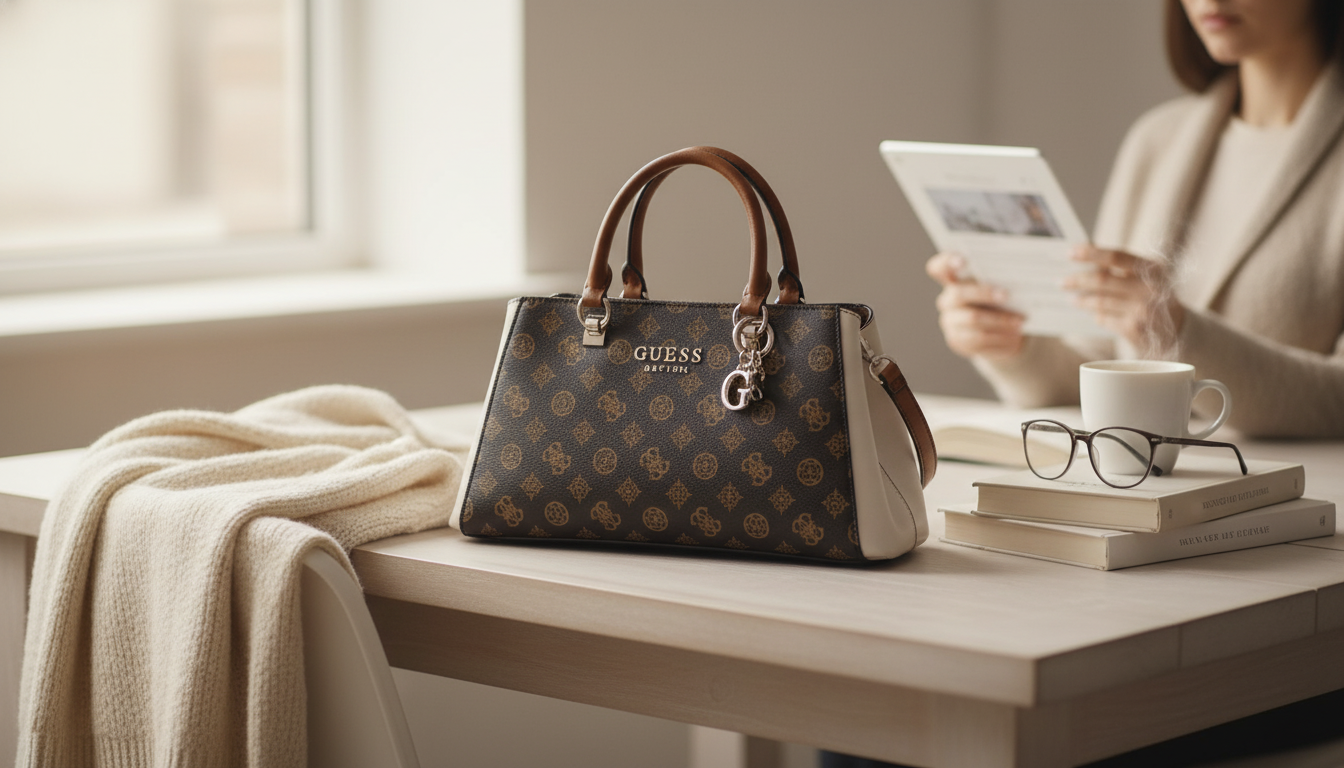
Guess Women’s Logo Handbag: Style, Space, and Everyday Wearability
A logo handbag can be equal parts statement piece and daily essential. The right one should hold what you actually carry, feel comfortable from morning to night, and keep its shape through commutes, errands, and weekends out. Below is a practical breakdown of what to look for in the Guess Women’s Logo Handbag—from structure and materials to strap options and care—so it fits real routines while keeping a polished, recognizable look.
At a Glance
- Brand: Guess
- Product name: Guess Women’s Logo Handbag
- Typical use: everyday carry, office, casual outings, light travel
- Style focus: logo-forward design with structured silhouette
- Price point: mid-range designer fashion accessory
Quick Details
| Item | Details |
|---|---|
| Name | Guess Women’s Logo Handbag |
| Price | 182.51 USD |
| Stock reference | 50 (listing source) |
| Primary visual | Logo pattern / branded look (image-based) |
| Best for | Everyday essentials with a polished finish |
Design and Aesthetic
Logo handbags work because they’re instantly recognizable, but the most wearable versions also play nicely with the rest of a wardrobe. A clean, structured silhouette reads intentional—especially for workdays—while the logo print provides visual texture that can elevate simple outfits.
- Balance the boldness: If the logo pattern is the focal point, pair it with solid-color layers (think black, cream, denim, or camel) and keep jewelry minimal for a refined look.
- Structure stays sharp: A structured bag tends to maintain a crisp outline longer than a slouchy style, which helps it look polished even when you’re carrying practical items.
- Logo scale matters: Smaller repeats often feel more subtle and “everyday,” while larger motifs read louder and more fashion-forward.
- Neutral versatility: If you want one bag to cover weekday-to-weekend, neutrals typically transition more easily across seasons and dress codes.
Materials, Build, and Hardware
Many logo-forward handbags are made with coated canvas, faux leather, or leather trims—materials chosen for durability and easy wipe-downs. Regardless of the exact material, the details determine whether the bag stays looking new or starts showing stress quickly.
- Outer material and corners: Look for reinforced corners or protective piping to reduce scuffing where bags take the most impact.
- Stitching at stress points: Handles, strap anchors, and top edges should have tight, even stitches. Uneven stitching can loosen faster with daily use.
- Closures for real life: A zip-top or fully closing design adds security for commuting, crowded events, and travel days.
- Hardware finish coordination: Gold-tone, silver-tone, and gunmetal hardware each create a different vibe and can affect how seamlessly the bag matches belts, watches, and everyday jewelry.
What to Inspect Before Buying
| Area | What to look for | Why it matters |
|---|---|---|
| Handles/strap anchors | Reinforced stitching and clean edge paint | Prevents stretching and tearing |
| Bottom corners | Protective piping/structure | Reduces visible wear |
| Zippers/closures | Smooth track and firm pull | Security and daily usability |
| Lining | Tightly attached, easy-to-clean fabric | Less snagging, easier maintenance |
Size, Capacity, and Everyday Fit
A bag can look perfect online and still feel wrong the moment you try to live out of it. A simple way to gauge day-to-day fit is to start with essentials, then add the “surprise extras” that tend to tag along.
- Start with the core set: phone, wallet, keys, sunglasses, a small pouch (lip balm, hand cream), and a charger.
- Add routine-specific items: a slim notebook, a compact umbrella, or a small water bottle if that’s part of your day.
- Structured bags can feel smaller: They don’t stretch like soft totes, so interior pockets matter. Compartments reduce the constant “digging” and help the bag keep its shape.
- Event reality check: If you’ll use it for dinners or occasions, make sure it fits your phone and a card case without bulging or warping the sides.
Comfort and Carry Options
- Strap length and drop: Shorter straps can look especially polished but may feel tight over coats or bulky knits. Adjustable straps offer flexibility across seasons.
- Wider straps distribute weight: If you carry a charger, makeup pouch, or water bottle, a wider strap can reduce shoulder strain over longer wear.
- Commute-friendly security: A strap that sits close to the body and a secure top closure help with stability on public transit or in crowded areas.
- Mind the hardware weight: Structured builds and heavier hardware can add weight. Keeping your load practical improves comfort and helps the bag keep its intended silhouette. For general carry comfort tips, the American Academy of Orthopaedic Surgeons guidance on reducing strain is a useful reference.
How to Choose the Right Logo Handbag
| Need | Recommended feature | Good for |
|---|---|---|
| All-day errands | Crossbody/adjustable strap | Hands-free comfort |
| Work and meetings | Structured silhouette + internal organization | Professional polish |
| Travel days | Zip closure + secure strap | Crowds and transit |
| Minimal carry | Compact size + slim profile | Events and evenings |
Care and Storage
If your bag includes textile components (like a lining) and care instructions are provided, it’s worth following them closely. The Federal Trade Commission’s overview of care labeling explains how care guidance is typically presented.
FAQ
How can a logo handbag be styled without looking too loud?
Pair it with solid colors and neutral outerwear, and keep patterns elsewhere to a minimum so the bag stays the focal point. Matching your jewelry and belt hardware to the bag’s hardware finish also helps the look feel intentional.
What closure is best for everyday commuting?
A zip-top or fully closing design is usually best for commuting because it adds security in crowds and on transit. Magnetic snaps are quicker to open but can be less secure when you’re moving through busy areas.
How should a structured handbag be stored to keep its shape?
Store it upright, lightly stuffed with tissue or a bag pillow, and place it in a dust bag away from heat and direct sunlight. Avoid stacking heavy items on top, which can flatten panels and distort the silhouette.











Leave a comment
You must be logged in to post a comment.