Kiton Cashmere Down Hooded Jacket: Fit, Warmth, Care

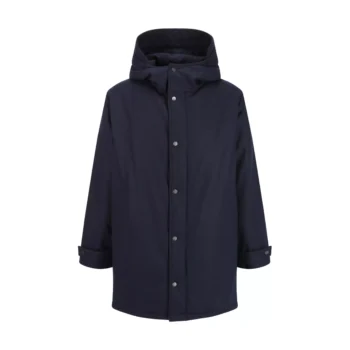
Kiton Cashmere Down Hooded Jacket: Luxe Comfort with a Refined Winter Profile
A cashmere-faced down jacket delivers a rare balance of softness, warmth, and polish. Compared with typical technical puffers, the look is quieter and more tailored, while down insulation keeps cold-weather performance high without forcing a bulky silhouette. A hooded design like Kiton’s is especially suited to travel, city commutes, and elevated off-duty wear—where comfort matters, but so does clean drape and a composed finish. For more guidance, see [PDF] our avl compu-dobby loom bridges the gap between creativity and ….
What sets a cashmere down hooded jacket apart
The defining difference is the outer fabric. A cashmere face has a smoother handfeel and a refined matte appearance that reads closer to a tailored coat than a sporty puffer. It also tends to move more naturally with the body—less “crinkle,” less shine, and a more understated presence. For further reading, see (PDF) Italian Fashion since 1945 – Academia.edu.
Inside, down insulation concentrates warmth efficiently while keeping weight low, which makes layering easier and helps maintain a streamlined outline. Add a well-shaped hood and you get practical coverage for wind and brisk shoulder-season conditions, especially on trips when weather can shift quickly. The result bridges formal and casual: it can sit comfortably over knitwear and denim, yet still look at home with tailored trousers and boots.
Materials and insulation performance
Cashmere performs best in cold, dry environments, where its natural softness and insulation feel at their peak. The trade-off is moisture sensitivity: cashmere generally benefits from more mindful wear habits in wet weather, plus thoughtful drying and storage routines. For general fiber handling and care standards, guidance from The Woolmark Company is a useful reference point.
Down fill provides exceptional warmth-to-weight by trapping air in small pockets. Quality construction keeps that warmth consistent: a stable lining and well-planned internal baffles reduce shifting and cold spots through the torso and sleeves. For a deeper look at down characteristics and care considerations, the International Down and Feather Bureau (IDFB) is a reputable resource.
The hood is a performance feature as much as a style feature. A well-executed hood should shield the cheeks and neck without collapsing into the face; adjustability improves wind protection and helps the hood stay comfortable when worn up for extended walks or long commutes.
Design details that influence comfort and daily wear
Small construction choices make a noticeable difference in real life. A higher collar—especially where the collar and hood meet—reduces drafts and helps prevent scarf bunching. It also keeps the neck area looking tidy when the hood is down.
At the hem and cuffs, discreet elastic or knit-style finishes can seal warmth while preserving a refined look. These details matter on windy platforms, in rideshare pickups, or when moving between heated interiors and cold streets.
Pockets should be positioned where hands naturally fall when arms rest. Hand-warmer pockets that sit too high or too far back quickly become annoying; internal pockets add convenience and security for travel documents, phones, or earbuds. Hardware is another long-term factor: smooth, sturdy zippers and well-finished pulls improve durability, and a two-way zip is especially helpful when sitting, driving, or navigating stairs.
Fit and styling for a timeless look
A cashmere down jacket looks best when it maintains a clean silhouette. Aim for enough room to wear a medium-gauge sweater without pulling at the chest, while avoiding excess volume through the waist and shoulders. The jacket should feel easy when reaching forward (think: grabbing a bag overhead or holding a rail on public transit).
Sleeve length is a quiet indicator of good fit. A slightly longer sleeve improves warmth and keeps proportions modern, particularly when hands are in pockets. In the mirror, the jacket should read as streamlined rather than puffy—more “polished outer layer” than “athletic insulation.”
For styling, keep materials in the same elevated lane: fine knits, a cashmere scarf, and leather sneakers create polished casual; switching to boots and tailored trousers instantly turns the look dressier without feeling overdressed. Neutrals such as navy, charcoal, and camel typically offer the highest versatility, pairing smoothly with both denim and traditional winter tailoring.
How to choose the right cashmere down jacket
Start with climate. For sustained cold, prioritize substantial down fill, a protective collar, and draft sealing at cuffs and hem. In milder winters, lighter insulation with easier layering can feel more versatile day to day.
Match your lifestyle. Frequent commuting and travel often favor a lighter, less bulky profile that’s easy to wear indoors without overheating. If days are more outdoor-heavy, consider greater coverage, a more protective hood shape, and enough room to add layers comfortably.
Care and storage to preserve cashmere and down
Product snapshot
| Item | Details |
|---|---|
| Product name | Kiton Cashmere Down Hooded Jacket – Luxe Comfort & Timeless Style |
| Price | 6988.78 USD |
| Availability | Unknown |
| Listing image | https://marshale.com/wp-content/uploads/2026/01/20363-02309d-350×350.webp |
FAQ
Is a cashmere down jacket warm enough for winter?
Yes—down offers excellent warmth-to-weight, and well-designed baffles help keep insulation evenly distributed. Comfort depends on draft sealing at the collar, cuffs, and hem, plus layering and how exposed you are to wind.
How should a hooded down jacket fit over sweaters?
It should allow a mid-layer without pulling at the chest and should let your shoulders move freely. Sleeves should cover the wrists, and the hood should sit securely without collapsing onto the face.
Can a cashmere outer handle rain or snow?
Cashmere is best in dry cold and benefits from minimizing heavy moisture exposure. If it gets damp, air it out and dry it thoroughly, and consider rotating with a technical shell for consistently wet conditions.















Leave a comment
You must be logged in to post a comment.