Bottega Veneta Gold Leather Wallet: Craft & Care Guide
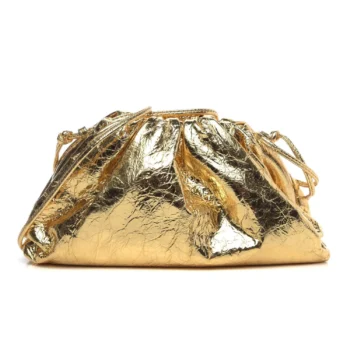
Bottega Veneta Gold Leather Wallet: Materials, Craft, and Everyday Use
A leather wallet from Bottega Veneta is often chosen for its distinctive weave, refined finishing, and quiet-luxury look. This gold leather wallet pairs a statement color with a compact, daily-carry purpose—where details like leather type, edge paint, pocket layout, and hardware quality matter as much as appearance. For more guidance, see Bottega Veneta leather Wallet black – The Rainbow Room.
Quick overview
- Designed as a premium leather wallet with an elevated metallic-gold finish
- Focus on clean lines, careful stitching, and a structured feel that holds shape over time
- Best suited for shoppers who want a standout color without oversized logos
| Detail | What to know |
|---|---|
| Product name | Bottega Veneta Gold Leather Wallet |
| Material | Leather (finish may vary by season/collection) |
| Color | Gold |
| Price | 904.03 USD |
| Stock (listed) | 50 |
| Primary use | Everyday cards + folded cash (layout varies by style) |
What makes Bottega Veneta leather stand out
A luxury wallet gets handled constantly—pulled from pockets, set on counters, opened with one hand—so the leather needs to feel good and hold up to repetitive movement. Bottega Veneta is known for leather selection that emphasizes a refined hand-feel, consistent grain, and resilience for daily contact. For further reading, see Bottega Veneta Intrecciato Leather Wallet – The Rainbow Room.
- Leather quality often shows first in touch: supple rather than plasticky, with an even surface that doesn’t feel overly coated.
- Finishing details matter: uniform color coverage, clean edge paint, and corners that resist early cracking are signs of careful production.
- The best everyday wallet balances softness and structure—substantial in hand, but not bulky in a pocket.
For brand reference and current material notes by collection, the most authoritative resource is Bottega Veneta (Official Site).
The signature woven look and craftsmanship cues
When the brand’s woven construction is part of the design, small alignment issues become obvious quickly—especially on a reflective metallic finish. A well-executed weave should look even across panels, with consistent spacing and a tidy rhythm where strips meet edges and corners.
- Weave consistency: panels should look aligned, not skewed or wavy, with clean transitions at folds.
- Stitching discipline: seams should sit flat with tight stitch spacing; loose threads, puckering, or uneven tension are red flags.
- Stress points: edges, folds, and pocket mouths take the most abuse, so smooth finishing and solid reinforcement are essential.
In hand, high-quality craftsmanship often feels “quiet”: the wallet opens smoothly, corners feel firm rather than flimsy, and the structure reads intentional instead of stiff.
Gold leather: appearance, wear, and patina
Gold leather changes character depending on lighting. In daylight it may read as a softer metallic; under warm indoor lighting it can look richer and deeper. This dynamic effect is part of the appeal, but it also means surface changes—like scuffs—can catch the eye sooner than they would on matte black or dark brown.
- Metallic finish variation: gold can range from subtle sheen to higher shine depending on the specific leather and season.
- Where wear appears first: corners and pocket openings see the most rubbing; that’s typically where finish dulling shows earliest.
- Healthy aging: leather will relax and soften with use; the goal is controlled aging rather than peeling, cracking, or edge breakdown.
A simple rule for metallic leather: reduce friction. Sliding a wallet into a pocket with keys, or placing it face-down on rough surfaces, is often what creates the first visible marks.
Organization and daily carry comfort
Even a premium wallet can become frustrating if the layout doesn’t match real-life carry. The most comfortable daily option supports a consistent routine—same cards, same orientation, easy access—without forcing you to bend panels or overpack compartments.
- Choose the layout based on what’s actually carried: cards, a few folded bills, and the occasional receipt.
- Card slots should grip securely without feeling so tight that you have to yank cards out; overly tight slots can stretch unevenly over time.
- Carry location matters: front-pocket carry favors slim profiles, while bag carry benefits from added structure that resists bending and corner wear.
If you prefer a crisp, structured look, avoid overstuffing—bulk pushes against seams and corners, accelerating distortion and surface creasing.
How to choose the right Bottega Veneta leather wallet
When gold is the color, the best choice often comes down to format and lifestyle. The finish can be striking, so it helps to make sure the silhouette and capacity fit daily habits—otherwise it becomes a “special occasion” wallet by accident.
Care and storage for long-lasting wear
For broader best practices around responsible leather and care considerations, see the Leather Working Group.
Authenticity and quality checks before buying
FAQ
Is a gold leather wallet hard to keep looking new?
Metallic finishes can show scuffs sooner than matte leathers, especially on corners and pocket edges. Gentle handling, avoiding abrasive surfaces, and storing it in a dust bag help keep the finish looking crisp.
How many cards should a leather wallet hold without stretching?
Use the card slots as intended and avoid forcing extra cards into tight compartments. Leather relaxes slightly with normal use, but overstuffing speeds up stretching and can distort the wallet’s shape.
What are the easiest signs of poor quality in a leather wallet?
Quick red flags include uneven stitching, messy edge paint, misaligned panels, rough interior finishing, and weak corners or loose threads. These issues often worsen quickly with everyday handling.











Leave a comment
You must be logged in to post a comment.