Wabi-Sabi Vertical Floor Lamp: Retro Mood Lighting Tips
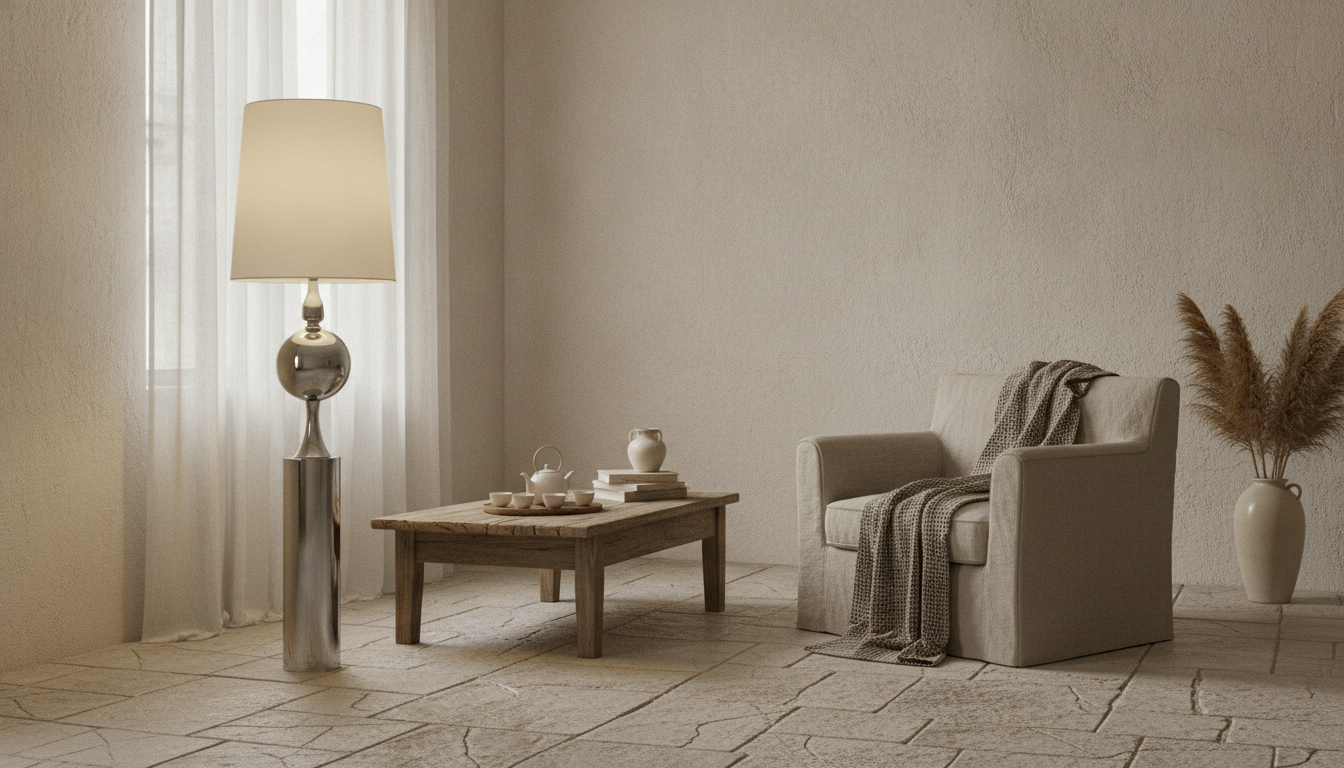
Minimalist Wabi-Sabi Floor Lamp – Retro Vertical Lighting for Living Room
A vertical floor lamp can change a room without adding clutter: it lifts light upward, softens shadows, and becomes a quiet sculptural element. This minimalist wabi-sabi design pairs retro presence with a calm, imperfect finish that suits living rooms built around natural textures, neutral palettes, and relaxed evening lighting.
What makes this lamp feel wabi-sabi
The wabi-sabi feeling starts with restraint. A simple, “less but better” silhouette keeps the focus on the room—your sofa, textiles, and materials—rather than on a loud fixture competing for attention.
Instead of glossy perfection, wabi-sabi leans into subtle irregularity: matte surfaces, softened edges, and a finish that reads natural and lived-in. The result is a lamp that feels grounded and calm, even when the rest of the room is intentionally minimal. If you’d like a deeper cultural definition, Encyclopaedia Britannica’s overview of wabi-sabi is a helpful reference.
The retro vertical format—like a slim column—also makes styling easier. It adds height without visual heaviness, so it can sit beside a sofa, near a lounge chair, or next to a media console without eating up the room.
Light quality and the mood it creates
Vertical lighting is a mood-shifter because it brings illumination to eye level and above. That helps reduce harsh contrast from a single overhead source and makes walls and ceilings part of the glow, which can feel softer and more enveloping.
This style is especially effective as an ambient and accent layer: evening relaxation, gentle background light during conversation, and added depth in corners that otherwise look flat at night. If the lamp will serve as the primary ambient source, bulb output matters—choose a higher-lumen LED so the room doesn’t feel underlit.
Bulb color temperature controls the emotional tone. Warm white light (roughly 2700K–3000K) tends to complement wood, linen, and earthy ceramics, while cooler light can feel stark against neutral, natural materials. For efficiency and heat reduction, LED is a practical choice; the U.S. Department of Energy’s LED lighting guide explains why LEDs typically last longer and use less energy than older bulb types.
If the lamp and bulb are compatible, a dimmer is the simplest way to make one lamp do multiple jobs—from reading-adjacent brightness to a low, atmospheric glow that feels restful.
Where it works best in a living room
Placement is where a vertical floor lamp really earns its keep. Because it’s tall and narrow, it can brighten the room without taking away usable floor space.
- Corner placement: Turn a dark corner into a gentle column of light. This can visually “open” the room, especially when the light bounces onto two walls.
- Behind or beside a sofa: Positioning slightly behind the seating line can create a halo on the wall while keeping the walkway clear.
- Next to a lounge chair: Pair it with a small side table and layered textiles (a throw, a wool rug, a linen cushion) for a calm nook.
- Near textured surfaces: Linen curtains, plaster walls, and wood slats look richer when light grazes across them, emphasizing depth and natural variation.
Styling ideas that match a minimalist wabi-sabi look
Wabi-sabi styling is less about matching and more about harmony—tone, texture, and negative space. A minimalist vertical lamp fits best when the area around it stays edited.
At-a-glance buying notes
Lighting is most comfortable when layered. Combine this style of ambient vertical light with a task light for reading and a low accent (a small table lamp or candles) to create depth at night. If glare is a concern, favor a bulb and cover/shade combination that hides the direct view of the light source from common seating angles. For general terminology and fundamentals, the Illuminating Engineering Society’s lighting definitions provide a useful baseline.
| Room need | What to look for | Practical tip |
|---|---|---|
| Soft ambient glow | Warm bulb and diffuse light output | Aim light toward a wall or ceiling to reduce harsh shadows |
| Small living room | Slim base and narrow footprint | Leave a clear path around the lamp to prevent bumps |
| Reading nearby | Higher lumen bulb or added task light | Keep reading light at shoulder/eye level from the seat |
| Wabi-sabi styling | Matte, natural-looking finish and simple lines | Match textures (linen, wood, clay) rather than exact colors |
How to Choose
Choose the right height for the room
Pick brightness based on how the room is used
Stay warm in color temperature
Decide between diffuse glow and focused accent
Confirm controls and compatibility
Care and long-term upkeep
FAQ
Does a vertical floor lamp provide enough light for a living room?
It’s ideal for ambient and accent lighting, especially when it bounces light onto walls and ceilings. It can work as a main source if the bulb output is high enough, but it’s most comfortable when layered with at least one task or secondary light. A compatible dimmer adds flexibility for different times of day.
What bulb color looks best with wabi-sabi decor?
Warm white light (about 2700K–3000K) tends to look best with wabi-sabi decor because it complements wood, linen, and earthy tones. Cooler bulbs can feel stark and may flatten the softness of natural textures.
Where should a floor lamp be placed to avoid glare while seated?
Place it slightly behind the seating line so the light source isn’t in direct view from typical angles. Aiming light toward a wall or ceiling and choosing a more diffuse cover/shade also helps reduce glare and hotspots.









Leave a comment
You must be logged in to post a comment.