Brunello Cucinelli Calfskin Suede Sneakers: Heel Label
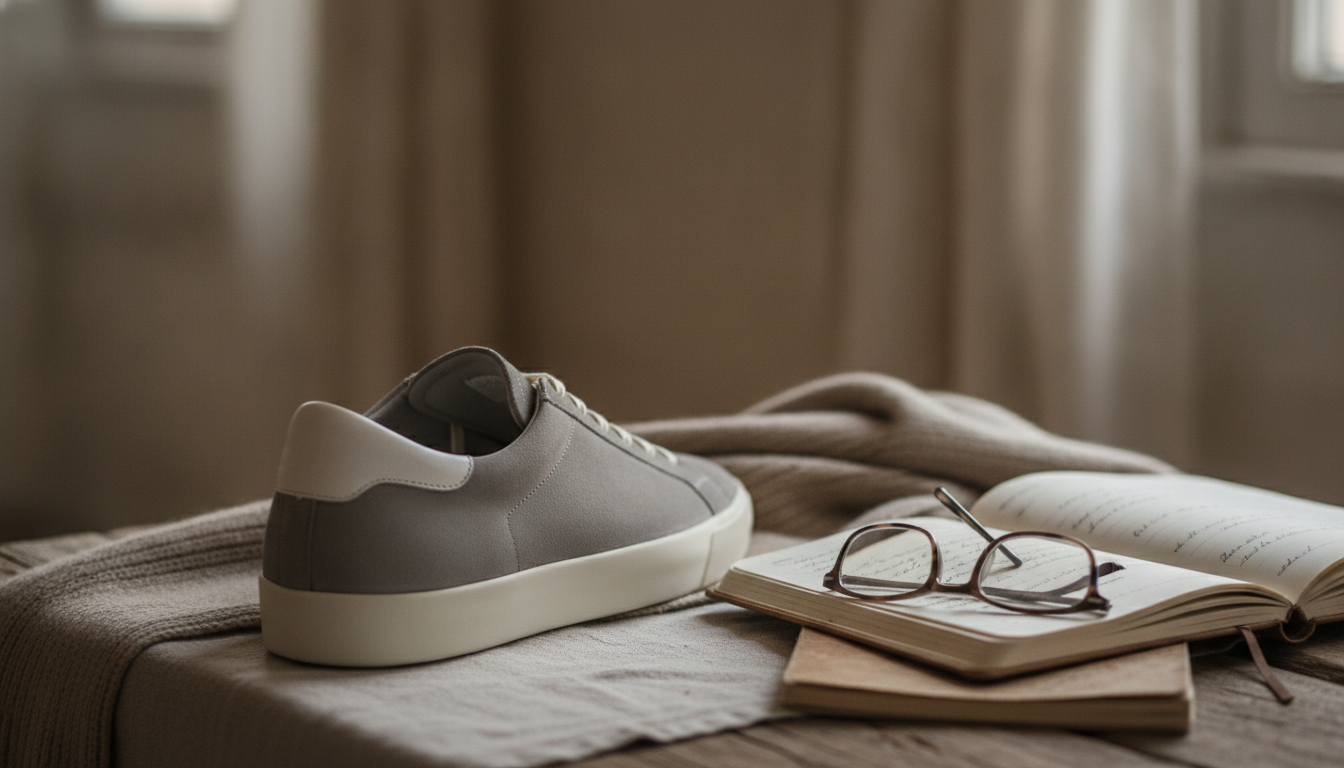
Brunello Cucinelli Calfskin Suede Sneakers with Signature Heel Label
Calfskin suede sneakers from Brunello Cucinelli balance refined materials with everyday wearability. The signature heel label adds a discreet brand detail, while the suede upper keeps the look soft and elevated for casual tailoring, denim, and travel days. For anyone building a wardrobe around clean lines and premium texture (rather than bold logos), this style sits right in the sweet spot: understated, polished, and easy to reach for.
What Sets This Pair Apart
The appeal starts with the material: calfskin suede brings a supple handfeel and a matte finish that reads more “quiet luxury” than sporty. Compared with smooth leather, suede tends to look warmer and more dimensional, especially in neutral tones that pair well with modern wardrobes.
- Calfskin suede upper for a soft, premium texture with a refined matte appearance
- Signature heel label as a subtle, recognizable accent that doesn’t dominate the design
- Low-profile sneaker shape that works with casual and smart-casual outfits
- Premium construction emphasis: clean paneling, neat stitching, and a streamlined silhouette
- Ideal for shoppers who prefer understated luxury over loud branding
That last point matters: a minimal sneaker can be worn more often because it doesn’t compete with tailored pieces, textured knits, or statement outerwear. Instead, it supports the outfit with quiet finish and consistent proportions.
Materials and Build Details to Look For
Luxury sneakers earn their place through small, cumulative details—how the suede is cut, how seams line up, how the sole meets the upper, and how the shoe holds its shape in hand. When evaluating calfskin suede, pay attention to the nap (the tiny fibers on the surface): it should look even, not patchy, with consistent color across panels.
- Upper: calfskin suede; look for even nap, consistent tone, and tidy seam alignment
- Heel: branded label detail; confirm it sits straight and is securely attached
- Lining and insole: prioritize smooth contact points and clean edge finishing for comfort
- Outsole: inspect bonding for evenness and a stable edge finish with no excess glue
- Overall finish: the shoe should feel structured and supportive without feeling stiff
Quick Spec Overview
| Detail | What to Expect | Why It Matters |
|---|---|---|
| Upper | Calfskin suede | Soft texture and elevated appearance |
| Brand detail | Signature heel label | Discreet identity and a clean finish point |
| Profile | Low-top sneaker silhouette | Versatile pairing with many outfits |
| Care needs | Suede-specific protection and cleaning | Helps maintain texture and color over time |
| Price tier | Luxury segment | Higher expectations for materials and craftsmanship |
Fit, Feel, and Break-In
Suede often feels more accommodating than smooth leather because it flexes gently and doesn’t “crease” the same way, but fit still matters—especially at the heel. Aim for a secure heel with minimal slip; too much movement can lead to friction and early wear at the lining and collar. For blister prevention best practices, the American Academy of Dermatology Association’s guidance on friction and blisters is a useful reference: AAD: prevent and treat blisters.
- Suede can feel forgiving, but correct sizing is still key for stability
- Look for a secure heel with minimal slip to reduce rubbing
- Toe box should allow natural toe spread; avoid pressure near the little-toe seam area
- Break-in is typically light; outsole stiffness may soften after a few wears
- If between sizes, choose based on sock preference (no-show vs. crew)
A quick at-home check: lace the shoes snugly, then walk on a clean surface for a few minutes. If the heel lifts repeatedly or the forefoot feels pinched, sizing or shape may not be right for your foot.
How to Style Calfskin Suede Sneakers
Calfskin suede sneakers are most powerful when they’re treated like a refined casual shoe rather than an athletic one. Their low-profile shape and muted finish can elevate basics without looking overdressed.
- Smart-casual: tapered chinos, a knit polo, and an unstructured blazer
- Modern minimal: straight-leg denim, a crisp tee, and a lightweight overshirt
- Travel uniform: relaxed trousers, breathable knitwear, and a clean belt bag
- Color coordination: echo the suede tone with a belt, watch strap, or outer layer
- Hem control: avoid heavy stacking that can rub and darken suede near the collar
For the most streamlined look, keep your pant opening tidy. A slight crop or a clean break helps the sneaker read intentional and keeps the suede collar from picking up dye transfer and grime from dragging hems.
Care and Cleaning for Suede
Suede rewards light, consistent upkeep more than occasional deep cleaning. The goal is to protect the surface from water spotting and keep the nap looking even. For technique and product direction, established care brands like Saphir provide helpful general guidance on suede and nubuck care: SAPHIR Medaille d’Or.
How to Choose the Right Luxury Suede Sneaker
If sustainability and traceability are part of your decision-making, reading about how leather auditing and supply-chain standards work can add context; the Leather Working Group offers an overview of industry approaches: Leather Working Group (LWG).
Authenticity and Quality Checks on Arrival
FAQ
How should suede sneakers be protected before the first wear?
Use a suede-specific water and stain protector, applying evenly in light coats. Let it fully dry and cure before wearing, then reapply periodically based on weather exposure and frequency of wear.
Are calfskin suede sneakers comfortable for all-day wear?
They can be, as long as the size and shape match your foot and the heel feels stable with minimal slip. Suede often feels soft and adaptable, but cushioning and support underfoot make the biggest difference over long days.
How can scuffs on suede be removed without damaging the material?
Start by brushing gently to lift the nap, then use a suede eraser on the mark. Avoid soaking the area, and finish with light brushing to restore the suede’s even texture.












Leave a comment
You must be logged in to post a comment.