Adidas Store Shopping Guide: Fit, Style & Best Deals
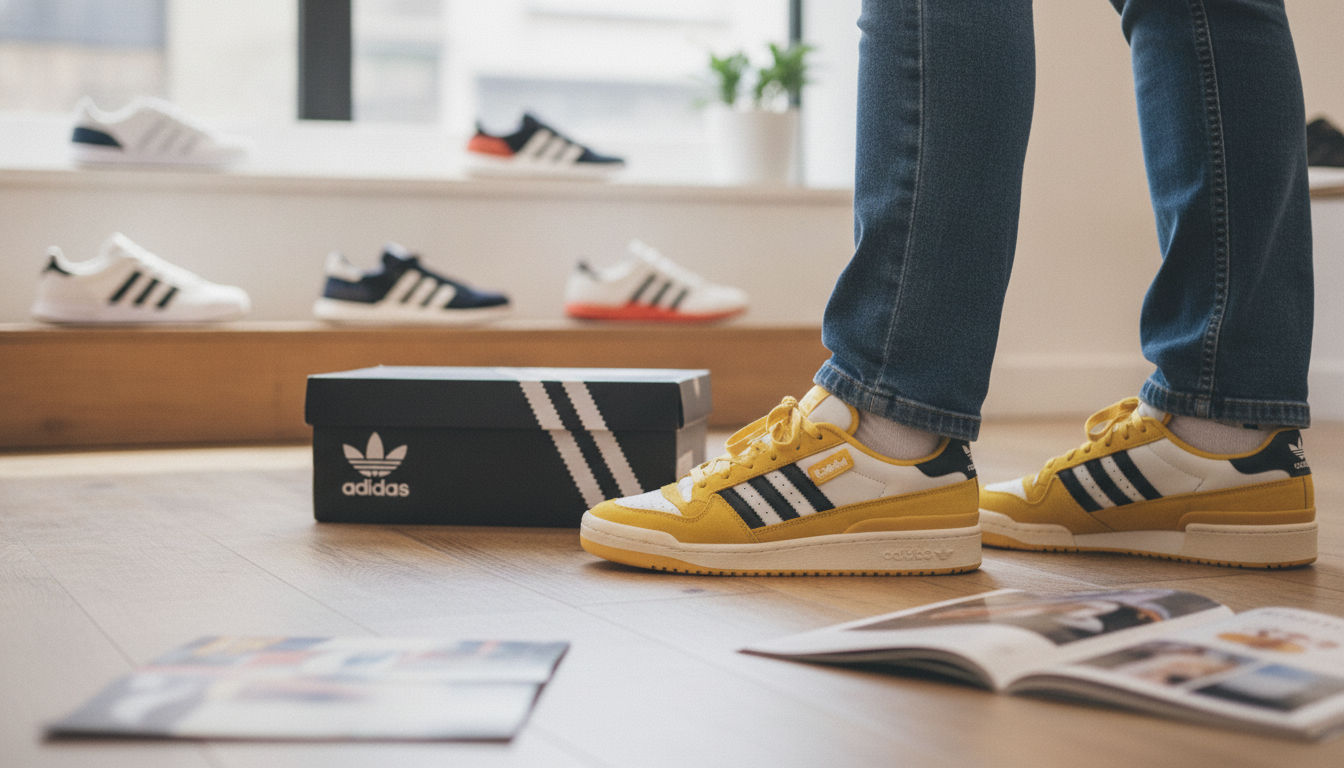
Step Into Style: Your Ultimate Adidas Store Experience – A Complete Guide to Shopping Smart & Stylish
A great Adidas shopping trip is equal parts planning and play—knowing what to try, how to check fit fast, and where to look for the best value without sacrificing style. Use this guide to move through the store with purpose, build outfits that work beyond the fitting room, and leave with pieces that match your lifestyle (training, streetwear, or both). For more guidance, see sneakers eastbay – Rice University.
Start With a Game Plan Before You Walk In
Before you touch a shoe wall or pull a hoodie from a rack, decide what “success” looks like for this trip. Adidas has strong options across performance and lifestyle, but your best buy depends on how you’ll actually wear it. For further reading, see Designing a memorable in-store customer shopping experience.
- Pick a primary use case: running, gym training, football/soccer, lifestyle, travel, or everyday comfort.
- Set a simple budget split: a practical example is 70% footwear and 30% apparel/accessories to keep priorities clear.
- Dress for quick try-ons: thin socks (or the socks you’ll really wear), a breathable top, and bottoms that let you test shoes fast.
- Bring references: your current model name and size, orthotics (if you use them), and a quick note about what failed last time (heel slip, toe pinch, arch pressure).
- Choose your timing: early hours and weekdays often mean more associate help and better size availability.
Know the Store Layout: Where to Look First
Most Adidas stores are organized to help you shop by activity first, then by style and color. The fastest path is to target the right category wall, identify two or three candidates, then circle back for outfits and accessories.
- Footwear wall: start with running, training, or lifestyle sections that match your goal—don’t lead with colorways.
- Apparel zones: look for core essentials (tees, hoodies, shorts, tights) near the footwear category they support.
- Special collections: locate limited drops or collaborations early; common sizes disappear quickly.
- Accessories corner: socks, caps, gym bags, and insoles can solve fit and comfort issues and complete a look.
- Sale/clearance: scan only after you’ve identified your target model; focus on fit first, discount second.
Quick Map: What to Check in Each Area
| Store Area | Best For | Fast Checks |
|---|---|---|
| Running footwear | Cushioning, mileage, daily trainers | Toe room, heel lockdown, arch support, flex point |
| Training footwear | Lateral stability, lifting, HIIT | Midfoot hold, flatness, sidewall support |
| Lifestyle footwear | All-day comfort, outfits, travel | Insole feel, breathability, outsole grip |
| Apparel basics | Capsule wardrobe pieces | Fabric weight, drape, layering fit |
| Sale wall | Value finds | Confirm size/return policy and inspect for wear |
Fit First: A Simple Try-On System for Shoes
A clean try-on routine saves time and helps you compare models fairly. Keep it consistent across every pair you test.
- Match sock thickness to real use: running socks for running shoes, training socks for training shoes.
- Use the “thumb rule”: aim for about a thumb’s width from your longest toe to the end of the shoe—without sliding forward.
- Lock in the heel: walk briskly, then do a couple quick stops; heel lift should be minimal and consistent.
- Test the right movement: jog in place for running, side steps for training, and stairs if the store has them.
- Ask about width options: forefoot discomfort often signals a width issue, not a “break-in” problem.
- Confirm returns before checkout: especially for sale items or special releases. Review the official policy at adidas Return Policy.
If you’re between sizes, check Adidas guidance using adidas Size Charts and factor in foot swelling (many feet measure slightly larger later in the day).
Build Outfits That Look Good Outside the Store
The fitting-room mirror is only half the story. The goal is an outfit that works at normal angles, in normal lighting, with normal movement.
- Choose one hero item: a statement sneaker, bold jacket, or graphic top—then keep everything else clean and neutral.
- Balance your silhouette: chunkier shoes pair well with straight/relaxed pants; slimmer shoes pair well with tapered fits.
- Coordinate tones, not exact matches: repeat one accent color across shoes and a top or accessory for a pulled-together look.
- Prioritize versatile layers: a hoodie or track jacket should work with both jeans and joggers.
- Check lighting: store lights can flatten colors—step near the entrance to confirm the shade.
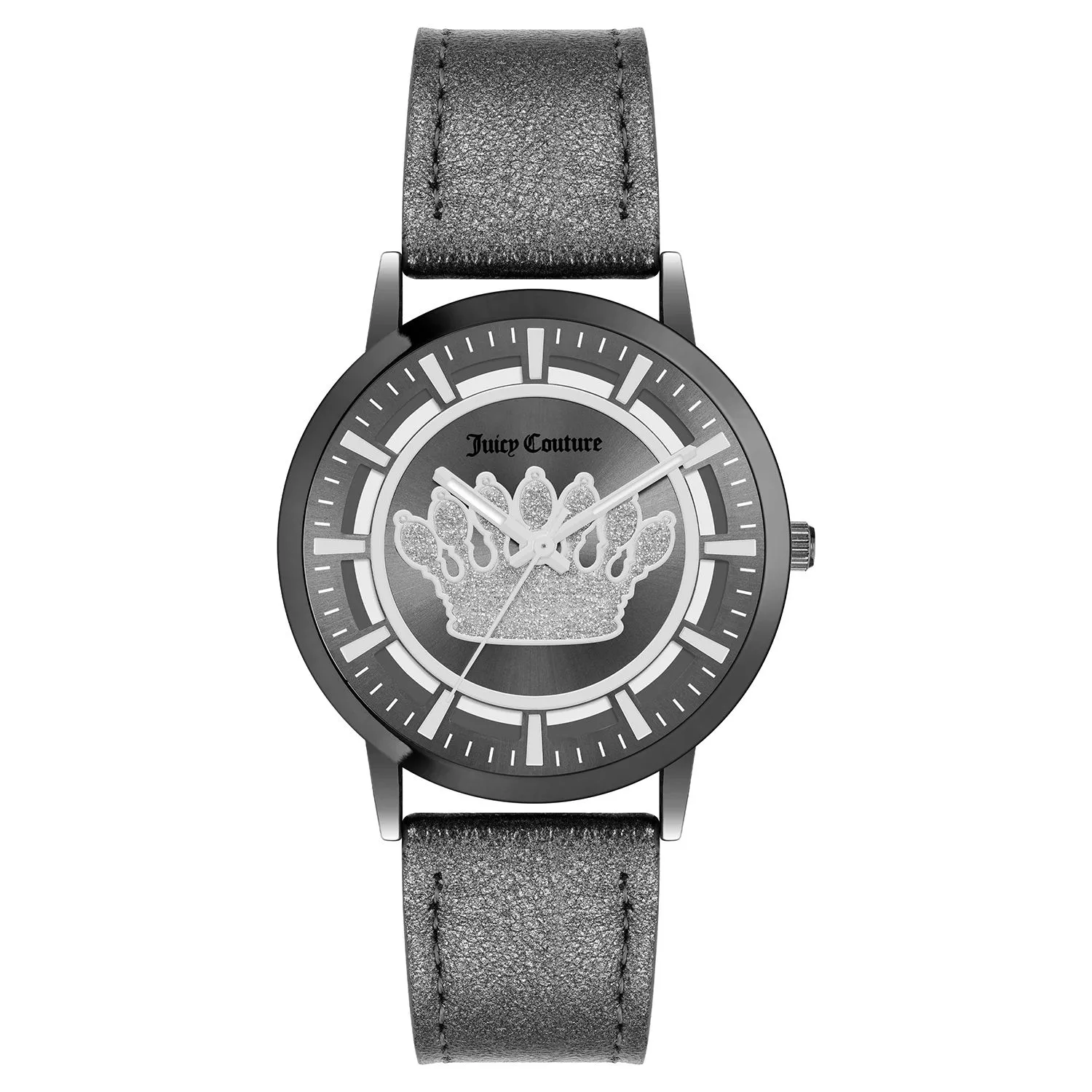
To elevate a sport-to-street outfit, finish with everyday accessories that add structure and polish: a clean belt, a modern watch, and sunglasses. Options in stock include the Boss Men’s Black Leather Belt, Police Gold Stainless Steel Quartz Watch, and Timberland Gray Sunglasses.
Shop Smart: Price, Drops, and Discounts Without Regret
Care and Longevity: Keep the Look Fresh
Finishing Touches: Accessories That Elevate the Fit
FAQ
How should Adidas shoes fit when trying them on in-store?
Use the same sock thickness you’ll wear in real life, then check toe room (about a thumb’s width), heel lockdown (minimal lift), and midfoot hold. Do movement tests that match your sport—jog in place for running and side steps for training—to confirm comfort under motion.
Are sale items worth buying, or is it better to pay full price?
Sale items can be a great deal if the fit is right and the condition checks out, since comfort issues rarely improve with “break-in.” Inspect stitching, scuffs, outsole wear, and closures, and confirm return rules—especially for clearance or special releases.
What should be checked before leaving the store after purchasing?
Confirm the exact size on the box matches the size on the shoe, then do a final comfort walk to catch heel slip or pressure points. Double-check the receipt and return window, and verify any included extras like alternate laces or inserts before you head out.















Leave a comment
You must be logged in to post a comment.