Boss Men’s Black Cotton-Stretch Trousers: Winter Fit Guide
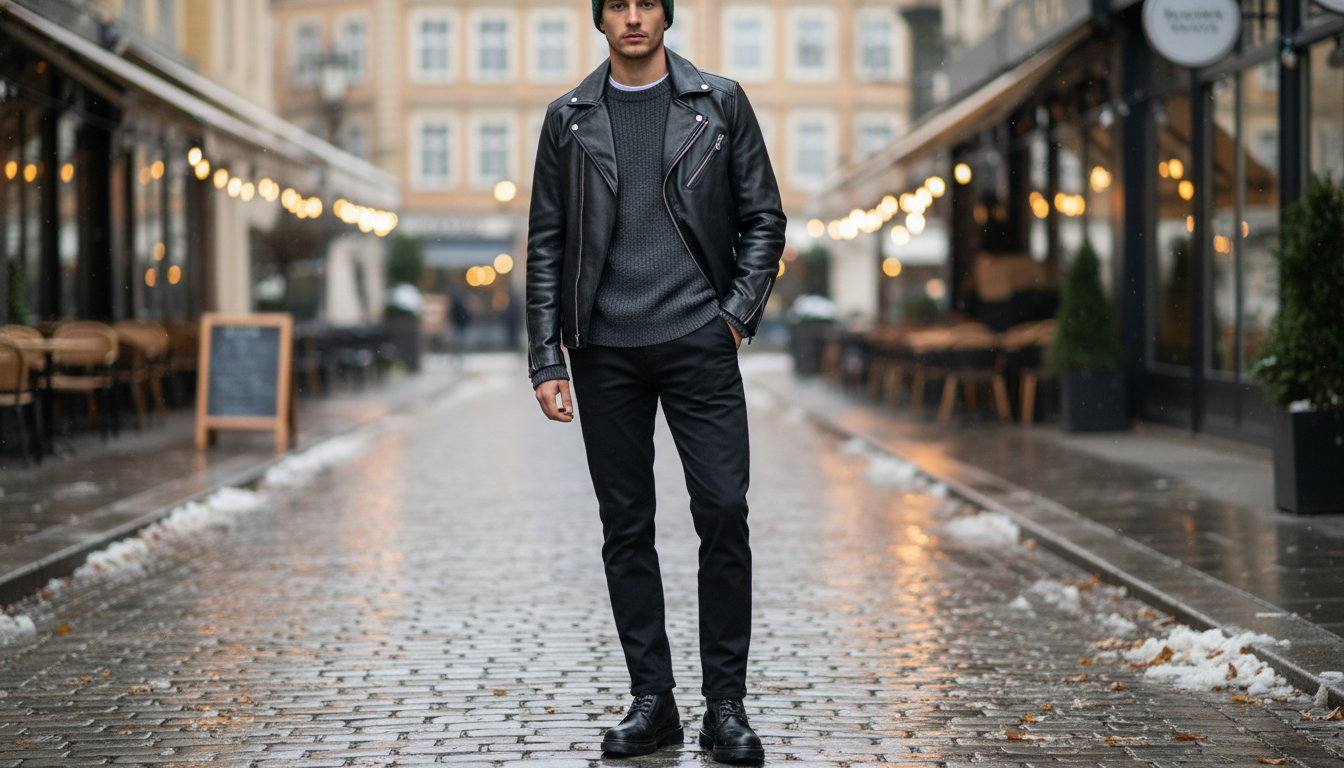
Black cotton-stretch trousers are a dependable cold-season staple: warm enough for daily wear, streamlined under coats, and flexible for commuting and long days. Boss Men’s Black Cotton Stretch Trousers fit neatly into fall and winter wardrobes thanks to their refined, wear-anywhere look and comfortable give. Below, you’ll find a practical guide to fabric feel, fit, styling, care, and what to prioritize when comparing similar pairs.
What Makes Cotton-Stretch Trousers Work in Cooler Months
Cotton tends to strike a useful balance in fall and winter: it feels comfortable indoors while still offering a more substantial hand than lightweight summer fabrics. For many day-to-day routines—office hours, errands, and evenings out—cotton’s breathability helps prevent overheating once you step inside.
The “stretch” component (typically elastane) adds noticeable ease when walking quickly, climbing stairs, or sitting for long stretches. Just as important, good stretch recovery helps the fabric return to shape instead of collapsing at the knees after a commute or a full day of wear.
Black is the quiet advantage. It pairs effortlessly with darker seasonal layers (charcoal coats, navy knits, deep green overshirts) and transitions smoothly from daytime to dinner. With a clean front and a refined finish, cotton-stretch trousers can stand in for jeans when you want a sharper look without stepping into fully formal dress pants.
Fit and Silhouette: Getting the Shape Right
Fit is where black trousers either look intentional or simply look like “pants.” A well-chosen silhouette makes layering easier, keeps lines clean under outerwear, and improves comfort throughout the day.
Waist
The waistband should sit securely without relying on an overly tight belt. Check for minimal gapping at the back when you move—especially if you often sit, drive, or carry items in your pockets.
Seat and Thigh
A good seat fit lies flat rather than pulling across the hips. In the thigh, look for enough room to sit comfortably while keeping the profile tidy. If the fabric strains when you sit, sizing up and tailoring the hem is usually a better solution than forcing a tight fit.
Leg Line
Slim or tailored legs layer well with winter coats and jackets because they balance bulky top layers. Straight cuts offer extra room—handy if you regularly wear thermals underneath or prefer a more relaxed drape.
Hem and Break
A slight break works well with dress shoes, while a cleaner, shorter break feels modern with sneakers and many boots. If the fabric stacks heavily at the ankle, it can look sloppy and make the leg line appear shorter.
Stretch Recovery
Do a simple test: bend your knees, sit, then stand. The fabric should spring back rather than leaving bagging at the knees. Better recovery means the trousers keep their sharper look from morning to evening.
Quick Specs Snapshot
If you’re comparing multiple black trousers, it helps to have a quick checklist of the core details that matter most for fall and winter wear.
| Detail | Value |
|---|---|
| Item | Boss Men’s Black Cotton Stretch Trousers – Fall/Winter Essential |
| Price | 174.78 USD |
| Color | Black |
| Material feel | Cotton with added stretch for comfort and mobility |
| Best for | Smart-casual looks, office-appropriate outfits, travel |
| Care focus | Preserve color and shape; avoid high heat drying |
How to Style Black Cotton-Stretch Trousers (Fall/Winter)
Black cotton-stretch trousers work best when the overall outfit keeps a clean line. Because the trousers are streamlined and neutral, you can build contrast through texture—wool, suede, flannel, quilted nylon—without fighting color clashes.
Office-ready
Pair them with a fine-gauge merino sweater, a wool overcoat, and leather derby shoes. This combination reads professional while staying comfortable in heated offices and chilly sidewalks. If you wear a belt, match it to your shoes for a cohesive finish.
Smart casual
Go with a flannel or brushed cotton shirt and an unstructured blazer. Loafers keep it sleek; clean leather sneakers make it more relaxed while still polished, especially if the hem is tailored to avoid stacking.
Weekend layers
Cold days and thermals
Boot pairing
How to Choose the Right Pair When Comparing Options
Fabric blend
Weight and weave
Construction details
Finish and formality
Sizing strategy
Colorfastness
Deep black can fade over time, especially where there’s frequent friction (thighs, pocket edges). Care habits matter, but choosing a pair known for holding dye helps the trousers look newer longer. For broader context on fiber choices and how materials are sourced and developed across the industry, see Textile Exchange’s reports: https://textileexchange.org/knowledge-center/reports/.
Care and Longevity: Keeping Black Trousers Looking Sharp
Wash less often
Cold wash, gentle cycle
Turn inside out
Avoid high heat
Pressing without shine
Use a moderate iron temperature and consider a pressing cloth to avoid shiny patches on dark fabric. For layering ideas that work well as temperatures drop, Woolmark’s guidance is a helpful reference point: https://www.woolmark.com/.
FAQ
Are cotton-stretch trousers warm enough for winter?
They work well for mild-to-cold winter days, especially when paired with substantial outerwear. In very cold conditions, add a thin thermal base layer or opt for a heavier trouser fabric and a longer coat.
How should black cotton trousers fit at the ankle with boots?
A clean hem with minimal stacking looks sharp and prevents bunching around the boot shaft. Chelsea boots typically suit a slight or no break, while chunkier lace-up boots can take a small break; tailoring the hem usually gives the best line.
How do you prevent black trousers from fading?
Wash in cold water, turn them inside out, and use a mild detergent while avoiding overdrying and direct sun. Washing less frequently and airing between wears also helps, though high-friction areas may gradually lighten over time.













Leave a comment
You must be logged in to post a comment.