Cactus Cat Tree Tower: Festive Scratching Post Guide
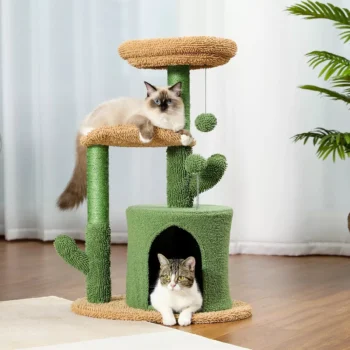
Festive Cat Scratching Post Cactus Tree Tower
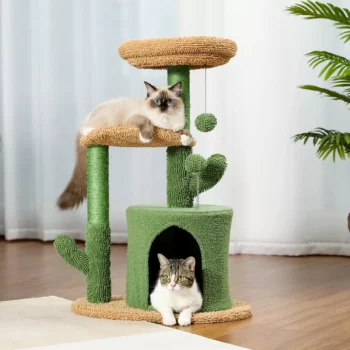
A cactus-style scratching tower adds a playful, seasonal vibe while giving cats a dedicated place to scratch, climb, perch, and burn energy. Unlike flatter scratch pads, a vertical tower can satisfy the full-body stretch many cats seek, and the layered platforms create a repeatable “route” for daily indoor activity. Below is a practical guide to what this cactus tree tower design offers, what to measure before buying, and how to keep it stable, safe, and appealing for everyday use.
What This Cactus Tree Tower Style Adds to a Home
- Decor-forward silhouette: A cactus shape can complement festive, whimsical, or modern spaces without looking like standard pet furniture.
- Multi-use footprint: Combines a scratching target with vertical climbing space and lookout perches.
- Clear redirect for scratching: A “best option” scratch zone helps shift attention away from rugs, chair arms, and sofas.
- Indoor enrichment: Vertical movement encourages jumping, stretching, and short bursts of exercise—especially helpful for indoor-only cats.
How Cats Typically Use a Tower Like This
- Scratching: Many cats prefer a stable, taller surface that lets them fully extend their shoulders and back. Natural fibers such as sisal often stay interesting longer than smoother fabrics.
- Climbing and perching: Elevated platforms can become favorite observation points, particularly near windows or in a main living area where household activity is visible.
- Claiming territory: Scratching and rubbing helps cats mark a “safe zone” using scent glands in their paws and cheeks—normal behavior that supports confidence.
- Stress relief: A reliable perch-and-scratch routine can help reduce boredom-driven habits like furniture scratching or late-night bursts of energy.
For a helpful overview of why cats scratch and how to guide the habit, see the ASPCA’s scratching behavior guidance.
Materials and Build Details That Matter
- Scratching wrap: Look for tightly wound rope with minimal gaps. Loose wraps can catch claws and tend to fray faster under daily use.
- Posts and joints: Thicker posts and reinforced connectors reduce wobble. This is especially important at “launch points” where cats jump up or down.
- Covering fabrics: Plush or felt-like coverings should be secured with clean stitching or well-set staples. Avoid loose seams that invite chewing or snagging.
- Base weight and footprint: A taller tower should feel heavier than expected. Wider bases generally resist tipping better during enthusiastic climbs.
- Edges and fasteners: Recessed staples, smooth corners, and covered hardware reduce the risk of paw, nose, or gum injuries.
How to Choose a Festive Cactus Cat Tower (Size, Layout, and Fit)
Before buying, match the tower’s layout to your cat’s movement style and your room’s available space. A cactus design can be tall and narrow, so the “fit” depends as much on stability and platform spacing as it does on overall height.
- Measure the placement area first: Leave clearance for a cat to leap off and for people to pass without bumping the tower.
- Match height to behavior: Climbers and window-watchers often prefer taller towers; shy cats may use mid-height perches more consistently.
- Check platform spacing: Kittens usually manage closer steps, while seniors do best with short hops and easy routes up and down.
- Plan for multi-cat dynamics: More than one perch level helps reduce crowding and resource guarding—especially if the tower becomes a favorite spot.
- Think maintenance: Make sure you can reach surfaces to vacuum fur and re-tighten bolts after heavy play.
Quick Fit Checklist Before Buying
| What to check | Why it matters | How to confirm |
|---|---|---|
| Base footprint vs. available floor space | Prevents tipping and avoids blocking walkways | Measure the spot; compare to listed dimensions |
| Overall height and ceiling clearance | Supports climbing and full-body stretching | Check product height and leave a buffer under shelves/fixtures |
| Platform size | Cats need enough room to turn and loaf comfortably | Compare platform measurements to your cat’s body length |
| Post diameter and stability | Reduces wobble during jumps and scratching | Look for thicker posts and reinforced joints/fasteners |
| Scratching surface coverage | More usable scratch area increases adoption | Identify which sections are rope-wrapped vs. fabric-only |
| Weight limit and multi-cat suitability | Helps prevent collapse and discourages rough sharing conflicts | Review any posted load guidance; size up for larger breeds |
Placement Tips for Fast Adoption
Safety and Care
For broader enrichment ideas that pair well with climbing and perching furniture, the Cornell Feline Health Center offers useful feline behavior and wellbeing resources.
Who This Style Works Best For
FAQ
How can a scratching tower help stop furniture scratching?
Scratching is normal, so the goal is to make the tower more appealing than the sofa by offering a stable, tall scratch surface in a location your cat likes. Place the tower next to the usual target, reward your cat for using it, and temporarily add a deterrent (like a furniture cover) while the habit shifts.
Where should a cactus-style cat tower be placed for the best use?
Set it in a high-traffic room, near a window, or beside an existing scratch target so it becomes part of your cat’s daily route. Avoid isolated corners if your cat tends to ignore them, and make sure the base sits level and steady.
How often should the rope or scratching areas be replaced?
It depends on use—some posts last a few months with heavy daily scratching, while others can last a year or more. Replace or repair when you see fraying, loosened wraps, or exposed fasteners; many rope sections can be re-wrapped to extend the tower’s life.













Leave a comment
You must be logged in to post a comment.