Spill-Proof Car Trash Can Guide: Stop Leaks & Odors
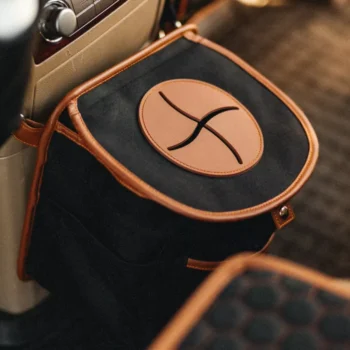
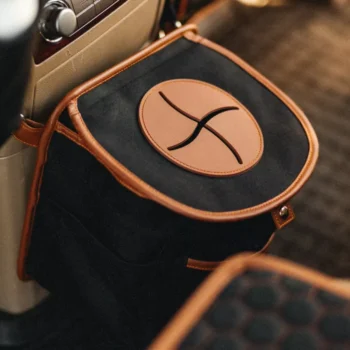
Food wrappers, receipts, tissues, and wet items add up fast in a vehicle. A spill‑proof car trash can keeps small trash contained, reduces odors, and helps prevent liquids from soaking seats or carpets. The right design also makes it easy to empty and wipe clean without tipping or leaking during turns and sudden stops.
What “spill‑proof” means in a car trash can
“Spill‑proof” isn’t one single feature—it’s a combination of closure, materials, and stability that helps a trash bin stay contained while the car moves. The most reliable designs focus on preventing three common messes: lids popping open, liquid seepage through seams, and tipping during braking.
- A secured lid that resists popping open over bumps and during braking
- A liner or interior coating that prevents moisture from soaking into fabric or seams
- A base or mounting system that limits shifting and tipping in the footwell or behind the console
- Leak-resistant construction such as heat-sealed seams, taped seams, or a removable waterproof bin for wet waste
- A closure style (flip-top, drawstring, magnetic, zipper) that balances quick access and containment
Why a spill‑proof bin matters for everyday driving
Even careful drivers experience sudden stops, fast turns, and “just one more item” tossed in on the go. A spill‑resistant bin helps keep the cabin cleaner and can reduce the amount of distracted cleanup that happens at red lights or in parking lots.
- Prevents drink drips, melted ice, and food residue from spreading onto upholstery and carpet
- Keeps loose trash from rolling under pedals or into seat tracks
- Reduces lingering smells by limiting airflow and keeping wet items contained
- Makes quick cleanups easier after school runs, commuting, or road trips
- Encourages passengers to use a designated place for trash instead of door pockets and cupholders
Keeping the cabin organized also supports safer driving habits. For guidance on avoiding distractions behind the wheel, see the National Highway Traffic Safety Administration (NHTSA) distracted driving resources.
Key design features to look for
Not all “water-resistant” materials behave the same once a bin is half full of mixed trash. Prioritize the parts that touch moisture and the parts that keep the bin upright.
Materials and leak protection
- Waterproof interior: PEVA, TPU, PVC, or a hard plastic inner bucket that wipes clean
- Leak protection at seams: reinforced stitching, taped seams, molded liners, or heat-sealed edges to stop slow seepage
- Removable liner: speeds emptying; disposable bag compatibility reduces mess on removal
Access, lid design, and odor control
- Lid style: tight-fitting lids for odor control; wide openings for fast toss-in convenience
- One-hand access: helpful when parked and cleaning up quickly; avoid closures that require two hands and extra steps
- Extras: side pockets for wipes, a roll of bags, or a built-in dispenser for liners
Mounting, shape, and capacity
- Mounting options: headrest strap, console hook, seat-back loop, Velcro patch, or weighted base
- Shape and capacity: slim profiles for small cars; taller bins for families and rideshare use
- Sturdiness: if pets ride along, a more rigid structure and a lid that resists nudging can prevent surprise spills
| Design type | Spill control | Best placement | Best for | Watch-outs |
|---|---|---|---|---|
| Soft-sided with waterproof liner | Good (depends on seams and lid) | Behind center console or on seat-back | Mixed dry/wet trash, easy storage | Can slump if not mounted or if overloaded |
| Hard inner bucket inside a sleeve | Excellent | Footwell or console area | Wet items, easy rinsing | Takes more space; may rattle if unsecured |
| Drawstring or zipper-top bag | Fair to good | Seat-back or door-side hook | Dry trash, fast emptying | Less protection from liquid leaks |
| Flip-top or push-lid bin | Good to excellent | Console area | One-hand use, odor control | Lid can interfere with tight spaces if too tall |
| Magnetic or snap-close lid | Good | Seat-back or console side | Quick access with better closure | Magnets/snaps vary in strength over time |
Where to place it for stability and safety
Placement affects both mess prevention and driver safety. The goal is a spot that stays put during braking and doesn’t interfere with pedals, seat movement, or airbags.
- Behind the center console: easy access for front and rear passengers; typically stable with straps
- Passenger footwell: stable only if it won’t slide forward; avoid blocking seat tracks and vents
- Seat-back (front seats): great for families; keeps trash away from pedals and drivers’ reach
- Door-side hanging: convenient but can swing; better for lightweight dry trash
- Avoid interference: keep clear of pedals, parking brake, seat movement, and airbags
- Driving behavior: if the bin is reachable while driving, keep the opening simple and use it only when safely stopped
How to choose the right spill‑proof car trash can
Setup tips to prevent leaks and tipping
Cleaning and odor control
For general best practices on cleaning and disinfecting surfaces, the CDC’s cleaning and disinfecting guidance is a helpful reference.
FAQ
Can a spill‑proof car trash can handle liquids like melted ice or drink residue?
It can, as long as it has a truly waterproof liner or hard inner bucket plus well-sealed seams. Using a liner bag is still recommended, and very wet waste is safest double-bagged to reduce the chance of leaks during turns or sudden stops.
Where is the safest place to keep a car trash can?
Safe placement is anywhere it won’t interfere with pedals, airbags, or seat movement—commonly behind the center console or secured to the seat-back. Anything left loose can shift during sudden stops, so mounting or anchoring is an important safety feature.
How often should it be emptied to prevent odors?
For wet food waste, emptying daily (or after each drive) helps prevent smells, especially in warm weather. If it’s mostly dry wrappers and paper, weekly emptying can work, but wiping the rim and lid regularly keeps odors from building up.














Leave a comment
You must be logged in to post a comment.