6-Piece Balance Beam Stepping Stones for Toddlers
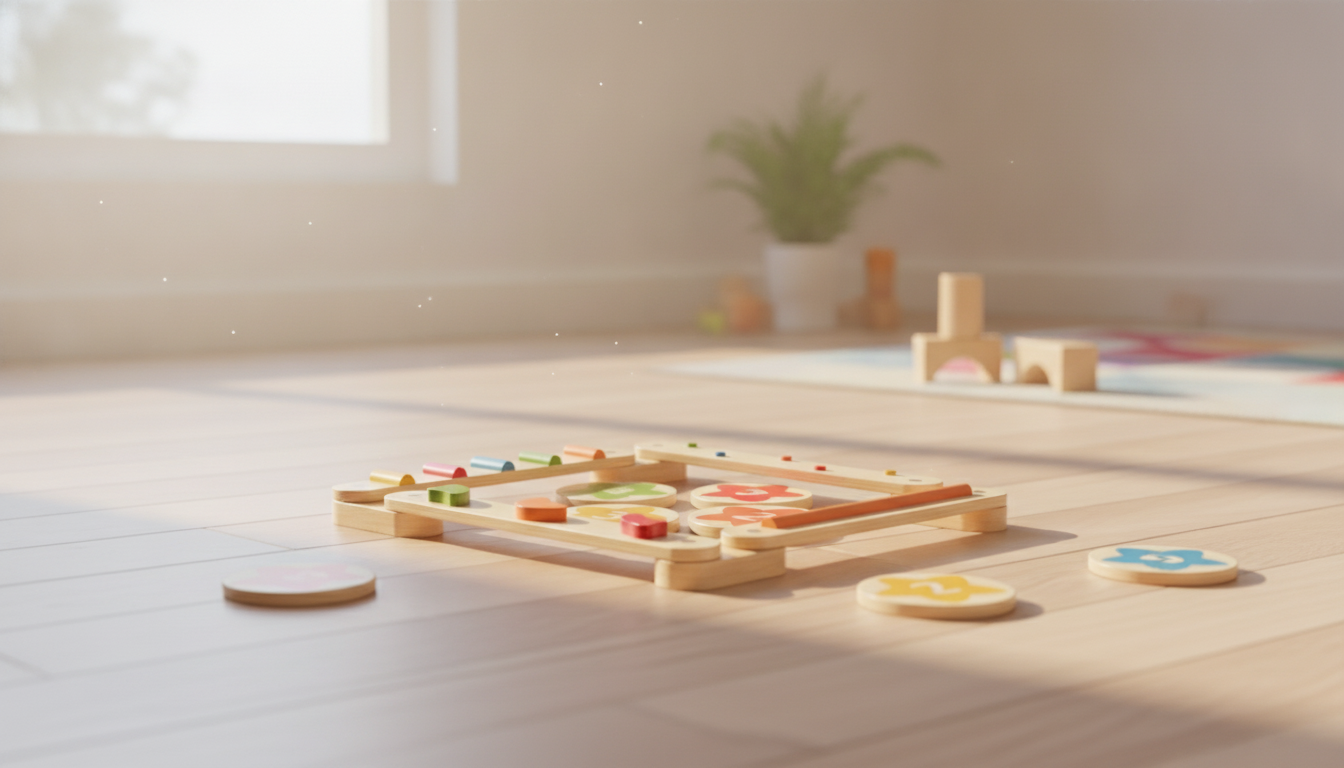
6-Piece Kids Balance Beam Stepping Stones for Toddlers: Play, Practice, and Safer Movement
A modular balance path can turn everyday play into a simple way to practice steady steps, body awareness, and confident movement. A 6-piece set of balance beam stepping stones works well for toddlers because it can be arranged in short, low-to-the-ground routes that match attention span and developing coordination, whether used indoors on a play mat or outdoors on a flat surface. For more guidance, see Child Care Center Characteristics Associated With Preschoolers ….
What This 6-Piece Balance Set Is
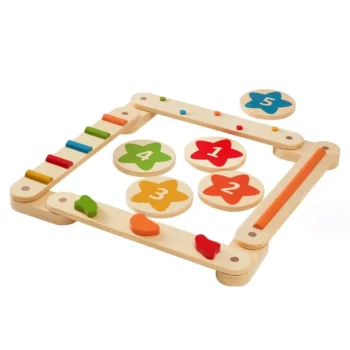
A kids balance beam stepping-stone set is a small group of interconnecting pieces designed to create a low balance route for young children. Instead of one long beam, you can build quick layouts—straight lines, gentle curves, zigzags, or even a small loop—so the challenge changes without needing extra equipment. For further reading, see 25 Favorite Montessori Toys on Amazon – Mamas Cold Coffee.
These sets fit easily into active play, obstacle courses, preschool movement stations, and rainy-day indoor energy release. The most toddler-friendly approach is brief practice: start with a simple path, then add turns, pauses, or light “missions” like carrying a soft toy or tapping a marker cone.
Quick Overview
| Feature | What to look for | Why it matters for toddlers |
|---|---|---|
| Piece count | 6 pieces | Enough for multiple layouts while keeping routes short and manageable |
| Height | Low profile | Reduces fall risk compared with elevated beams |
| Surface texture | Grippy top / stable underside | Helps prevent slips and boosts confidence |
| Use locations | Indoor and outdoor (flat surfaces) | More opportunities for practice throughout the week |
| Storage | Stackable or compact | Easier to put away quickly after play |
Skills Toddlers Practice During Balance Play
Balance stepping stones look simple, but they support a wide mix of early movement skills that show up in everyday toddler life—from stepping over a doorway threshold to navigating a playground bridge.
- Balance reactions: learning to correct a wobble by shifting hips, arms, and gaze.
- Coordination: stepping with control, stopping, turning, and restarting without rushing.
- Core and lower-body strength: short, repeated bouts can build endurance for walking, climbing, and stair practice.
- Motor planning: figuring out how to step across changing gaps and angles, then adjusting on the next attempt.
- Confidence and independence: mastering a route often translates into trying new movement challenges elsewhere.
- Early “traffic rules”: taking turns, waiting, and following a path supports social play and simple routines.
For a broader view of what’s typical at this stage, the CDC’s toddler parenting tips offer age-based examples of growing independence and movement skills. The American Academy of Pediatrics also highlights how play supports healthy development, including physical and self-regulation skills.
How to Set Up a Safer Play Space
A safer setup helps toddlers focus on the fun part—trying again—rather than slipping, tripping, or getting startled by an unstable surface.
- Pick a flat, clear area: remove small toys, cords, and anything that could snag feet.
- Add traction: use non-slip flooring or place a large rug/play mat underneath for extra stability.
- Start close: place pieces near each other so every step feels achievable; widen gaps gradually over days or weeks.
- Mind the surroundings: keep routes away from stairs, sharp furniture corners, and hard edges; corner guards can help in tighter rooms.
- Supervise closely: especially for younger toddlers who may step off quickly or attempt jumping before they’re ready.
- Feet matter: barefoot or grippy socks often improve feedback and traction indoors; use appropriate footwear outdoors.
Easy Course Ideas (From Beginner to More Challenging)
Small changes in shape and “rules” can refresh the same six pieces. Keep early rounds short, then stop while interest is still high.
- Beginner line: place all 6 in a straight line with minimal spacing; practice “slow feet” and “freeze” at the end.
- Gentle curve: create a soft arc and encourage looking ahead to the next stone rather than down at feet.
- Zigzag: alternate left-right angles to practice turning control and careful foot placement.
- Stop-and-go: pause on every other stone for a 2-count to build stability and patience.
- Color/number calls: label stones with tape or cards and call a target (“step on 3”) for listening and attention practice.
- Carry challenge: carry a small plush toy or beanbag to reduce arm-swing “help” and increase core engagement.
- Mini obstacle course: pair with a tunnel crawl, a pillow hop, or a low cone weave for a simple movement circuit.
How to Choose the Right Balance Beam Stepping Stones
Buying Checklist
| Priority | Checklist item | Quick test |
|---|---|---|
| Must-have | Non-slip base | Try a gentle push on the floor; it should resist sliding |
| Must-have | Low profile | Child can step up and down without needing a hand for every step |
| Nice-to-have | Textured top | Barefoot/grippy socks feel secure without slipping |
| Nice-to-have | Easy storage | Pieces stack or fit in a small bin |
Care, Storage, and Long-Term Use
FAQ
What age is appropriate for balance beam stepping stones?
Many children can start with toddler-friendly stepping stones around ages 18 months to 4 years, depending on coordination and comfort with stepping up and down. Begin with close spacing and simple layouts, and keep supervision close—especially for younger toddlers.
Can balance stepping stones be used indoors without scratching floors?
Yes, when the underside is non-marking and kept clean. Use a rug or play mat for extra protection and traction, and wipe off outdoor dirt or grit before bringing the pieces back inside.
How can the difficulty be increased without making it unsafe?
Increase challenge by widening spacing gradually, adding gentle turns, and using pause rules or simple carry tasks (like a plush toy) rather than adding height. Keep the landing area clear and return to an easier layout if steps become rushed or unstable.














Leave a comment
You must be logged in to post a comment.