Straight-Cut Blazer Guide for Office and Commuting
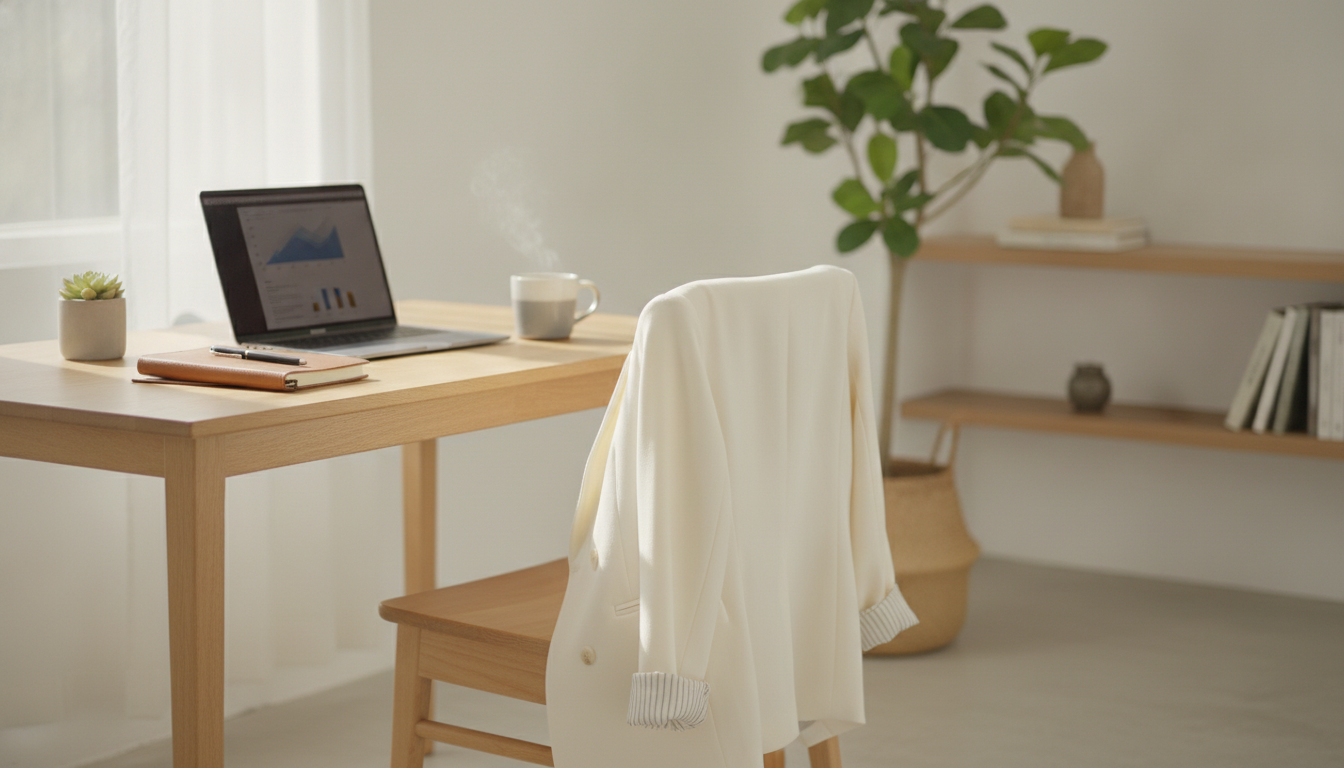
Women’s Straight-Cut Professional Blazer Jacket for Office and Commuter Wear
A straight-cut blazer is a dependable layer for meetings, presentations, and everyday commuting because it keeps a clean, tailored line without feeling overly formal. The best versions balance structure with real comfort: smooth shoulders, easy sleeve movement, and a fabric that bounces back after you’ve been seated on a train, in a car, or at a desk. Below is a practical guide to fit, fabrics, styling, and care so your blazer looks polished from the first commute to after-hours plans.
What Makes a Straight-Cut Blazer Work for Office and Commuting
Straight-cut blazers are designed to skim the body instead of relying on a sharply defined waist. That simple shape is what makes them so useful for professional settings and for days when you’re constantly in motion.
- Streamlined silhouette: A straighter torso line reads professional without requiring a tightly cinched waist.
- Comfortable structure: Light shoulder shaping and a stable lapel help the blazer hold its form all day.
- Mobility in motion: Look for enough ease across the upper back and biceps for walking, driving, and carrying a bag.
- Practical polish: Fabric and construction should stay crisp after sitting, commuting, and moving between temperatures.
- Versatile pairing: Works with tailored trousers, pencil skirts, straight-leg jeans, plus commuter-friendly flats or loafers.
Fit Check: How a Professional Blazer Should Sit
Fit is the difference between “pulled together” and “borrowed from someone else.” Use these checkpoints before deciding whether to keep, size up, or tailor.
- Shoulders: The seam should align with the outer edge of your shoulder—no divots and no overhang.
- Collar and lapels: The collar should lie flat against the back of the neck; lapels shouldn’t gape when you stand naturally.
- Chest and closure: When buttoned, the front should close smoothly without pulling or forming an “X” crease across the bust.
- Sleeves: Prioritize comfortable reach; sleeve length typically ends near the wrist bone, with an optional small cuff reveal.
- Body length: Hip-grazing lengths suit commuting and desk work; longer lengths feel modern and pair well with slim trousers.
- Back and vents: A single or double back vent supports stride and helps reduce wrinkling when seated.
Quick Fit Troubleshooting
| What You Notice | Likely Cause | Easy Fix |
|---|---|---|
| Shoulder bumps or divots | Shoulder too wide or padding sits incorrectly | Try the next size down or a different shoulder construction |
| Pulling lines when buttoned | Too tight through bust/waist or button placement mismatch | Size up or choose a straighter cut; consider wearing open |
| Sleeves feel tight when reaching forward | Insufficient bicep/upper-back ease | Look for stretch lining or a fabric with elastane |
| Collar lifts at the back | Neck/upper back fit issue | Try a different brand/fit; minor tailoring can help |
Fabric and Lining Choices for All-Day Wear
The fabric determines how your blazer wears over a full day—especially after commuting, temperature changes, and long periods of sitting.
- Wool blends: Breathable and naturally resilient, helping the blazer maintain shape through long workdays.
- Polyester/rayon blends: Often smoother and more wrinkle-resistant—useful for commuting and packable outfits.
- A touch of elastane: Improves comfort for reaching, typing, and lifting a bag without distorting the silhouette.
- Lining considerations: Fully lined blazers slip on easily over knits and button-downs; partial linings can feel cooler in warm offices.
- Seasonality: Midweight fabrics transition well; lighter weaves suit warm climates; heavier fabrics add warmth for winter commutes.
If you’re investing in wool, follow fiber-specific guidance for longevity and shape retention. The Woolmark Company offers practical care recommendations for wool garments, including refreshing and storage tips: https://www.woolmark.com/care/.
Details That Elevate a Professional Look
Small design choices can make the blazer look sharper, more expensive, and more office-appropriate—even when you’re wearing it with simple basics.
- Lapels: Notch lapels read classic and versatile; slightly narrower lapels feel modern and streamlined.
- Buttons: Quality buttons and clean stitching improve the overall impression; a single-button closure can lengthen the line.
- Pockets: Flap pockets look traditional; welt pockets feel sleek. Consider pocket depth for a transit card or lip balm.
- Seams and finishing: Smooth topstitching, neat lining attachment, and stable hems signal better construction.
- Wrinkle control: A slightly textured weave can disguise light creasing after sitting on a train or in a car.
How to Choose the Right Blazer for Your Routine
Outfit Formulas for Office-to-Commute Versatility
Care and Maintenance for a Crisp, Long-Lasting Finish
- Follow the care label: Use the recommended method and temperature guidance to protect structure and lining. (For general labeling standards, see the FTC’s Care Labeling Rule: https://www.ftc.gov/business-guidance/resources/care-labeling-rule.)
- Hang properly: Use a shaped hanger to preserve shoulders, and let the blazer air out after wearing.
- Steam instead of frequent washing: Steaming releases light wrinkles and refreshes between cleanings.
- Spot-clean promptly: Address makeup, coffee, and collar marks early to help prevent set-in stains.
- Rotation helps: Alternating blazers reduces wear at elbows and seams and keeps fabric looking newer.
FAQ
Should a straight-cut blazer be worn buttoned or open?
Both work: buttoned looks more formal and defined, while open looks relaxed and can visually elongate the torso. Either way, the blazer should be able to close without pulling or creating an “X” crease.
How can a blazer stay comfortable during commuting without looking casual?
Prioritize ease in the upper back and sleeves, plus a vent for movement, and choose a fabric with light stretch or wrinkle resistance. Keep the look professional with clean lapels and structured shoulders.
What alterations make the biggest difference in a blazer’s appearance?
Sleeve length and light waist shaping are the most impactful and typically straightforward. Avoid depending on major shoulder or armhole changes, which are complex and can be costly.












Leave a comment
You must be logged in to post a comment.