Minimalist Nightstand Storage: Choose the Right Fit
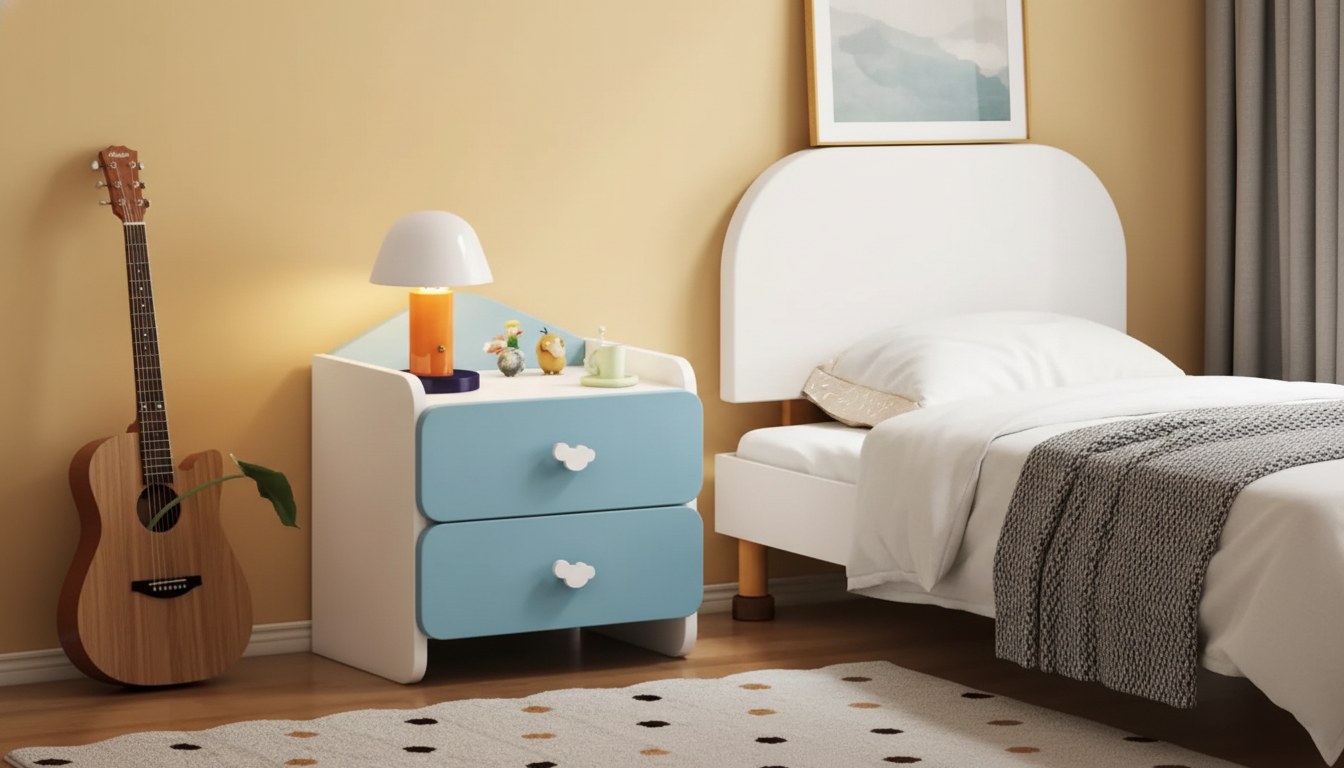
Modern Minimalist Nightstand with Storage: Calm Design, Smarter Bedside Organization
A nightstand should make the bedroom feel quieter, not busier. Clean lines, concealed storage, and a practical top surface help keep essentials close while keeping visual clutter out of sight. A well-chosen bedside table supports a smoother nighttime routine: fewer items out, fewer distractions in, and less rummaging in the dark. Below are the design details that create a modern minimalist look, plus practical guidance on storage types, sizing, materials, styling, and long-term upkeep.
What makes a nightstand feel modern and minimalist
Minimalist furniture reads “calm” when it removes extra visual information. In a nightstand, that calm is created through shape, surface, and hardware choices that don’t compete for attention.
- Simple geometry: clean rectangles or gentle curves with uninterrupted planes reduce visual noise.
- Neutral finishes: light wood, matte black, soft white, or stone-look surfaces blend easily with most bedroom palettes.
- Hidden or flush hardware: recessed pulls or push-latch doors keep the front face smooth.
- Storage that closes fully: drawers and doors hide chargers, tissues, and the “small stuff” that can make a room feel busy.
- A stable base and solid joinery: wobble-free legs and well-fitted drawers make the piece feel quiet and sturdy in everyday use.
For bedrooms meant to support rest, minimizing both visual clutter and physical friction matters. Simple systems—like a closed drawer for daily essentials—can support a calmer wind-down routine (see sleep environment basics from the National Sleep Foundation).
Storage that actually helps: drawer, shelf, or cabinet
Storage is only “minimalist” if it keeps items accessible without encouraging piles. The best choice depends on what you truly keep bedside: a book, glasses, medications, a charger, a notebook, or a water bottle.
- Single drawer: ideal for small essentials (lip balm, earplugs, hand cream) while keeping the top clean.
- Two drawers: better for building a tidy routine (top drawer = daily items; bottom drawer = backups).
- Open shelf: convenient for books or a basket, but it puts everything on display and can look cluttered fast.
- Closed cabinet: great for bulkier items or hiding a charging setup for a streamlined look.
- Soft-close hardware: reduces noise at night and helps protect the finish over time.
| Storage type | Best for | What to watch for |
|---|---|---|
| Single drawer | Everyday small items, minimalist look | Limited capacity if bedside needs are larger |
| Two drawers | Separating categories, better organization | May look heavier in very small rooms |
| Open shelf | Books, baskets, decor | Visible clutter; dust buildup |
| Cabinet/door | Bulk storage, hidden chargers | Check door swing clearance near the bed |
| Drawer + shelf | Balanced access and concealment | Keep shelf intentional to avoid visual mess |
How to Choose
Even a beautiful nightstand can feel “off” if it’s the wrong height, too deep for the walkway, or awkward to open next to the bed. Use these checkpoints to get the proportions right the first time.
Sizing, proportion, and placement
- Height: aim for the tabletop to be level with the top of the mattress, or within about 2 inches, so reaching for a lamp or phone feels natural.
- Top surface: plan for a lamp plus a small landing zone for glasses, a phone, and water without crowding.
- Depth: choose a depth that preserves comfortable passage between the bed and a wall, closet, or doorway.
- Width: match the scale to the bed—narrower pieces suit twin/full setups, while larger tops often feel more balanced next to queen/king beds.
- Clearance: make sure drawers and doors can open fully without bumping the bed frame.
- Outlet access: if a wall outlet sits behind the table, leave a small gap for plugs and cable routing.
Safety and stability considerations
If you’re using a tall, narrow nightstand or placing heavier items on top (like a large lamp), prioritize stability. Keep weight centered and consider securing tall furniture where appropriate—especially in homes with kids or pets. The U.S. Consumer Product Safety Commission (CPSC) offers practical guidance on tip-over prevention.
Materials, finishes, and durability in everyday use
Minimalist pieces are often judged by their surfaces—any wobble, peeling edge, or sticky drawer stands out quickly. Focus on construction details you’ll feel every day.
- Engineered wood: often more dimensionally stable than solid wood through humidity changes; check the edge banding for clean seams.
- Solid wood accents: add warmth and longevity; look for smooth finishing and consistent grain.
- Metal frames/legs: increase rigidity; add floor-protection pads to prevent scratches and reduce noise.
- Matte finishes: hide fingerprints better than high-gloss and look at home in minimalist bedrooms.
- Hardware quality: drawer slides, hinges, and the interior finish matter as much as the exterior for a refined, long-lasting feel.
Styling for a calmer bedside
Minimalist styling isn’t about leaving the surface empty; it’s about making what remains feel intentional. A nightstand looks best when it supports your routine without advertising every small item you own.
Care and upkeep
FAQ
What height should a nightstand be next to the bed?
The tabletop should be level with the top of the mattress or within about 2 inches. This keeps your lamp, phone, and water within easy reach without awkward bending or stretching.
Is a drawer or an open shelf better for a minimalist bedroom?
A drawer is usually better because it hides clutter and keeps the exterior looking clean. An open shelf can work for quick access, but it needs intentional styling (like a single basket or a couple of books) to avoid looking messy.
How can cables be hidden with a nightstand?
Leave a small gap behind the nightstand for plugs, route cords behind a leg, and use adhesive cable clips to keep lines tidy. If your nightstand has a drawer or cabinet, it can also help conceal extra cord length and small chargers.












Leave a comment
You must be logged in to post a comment.